
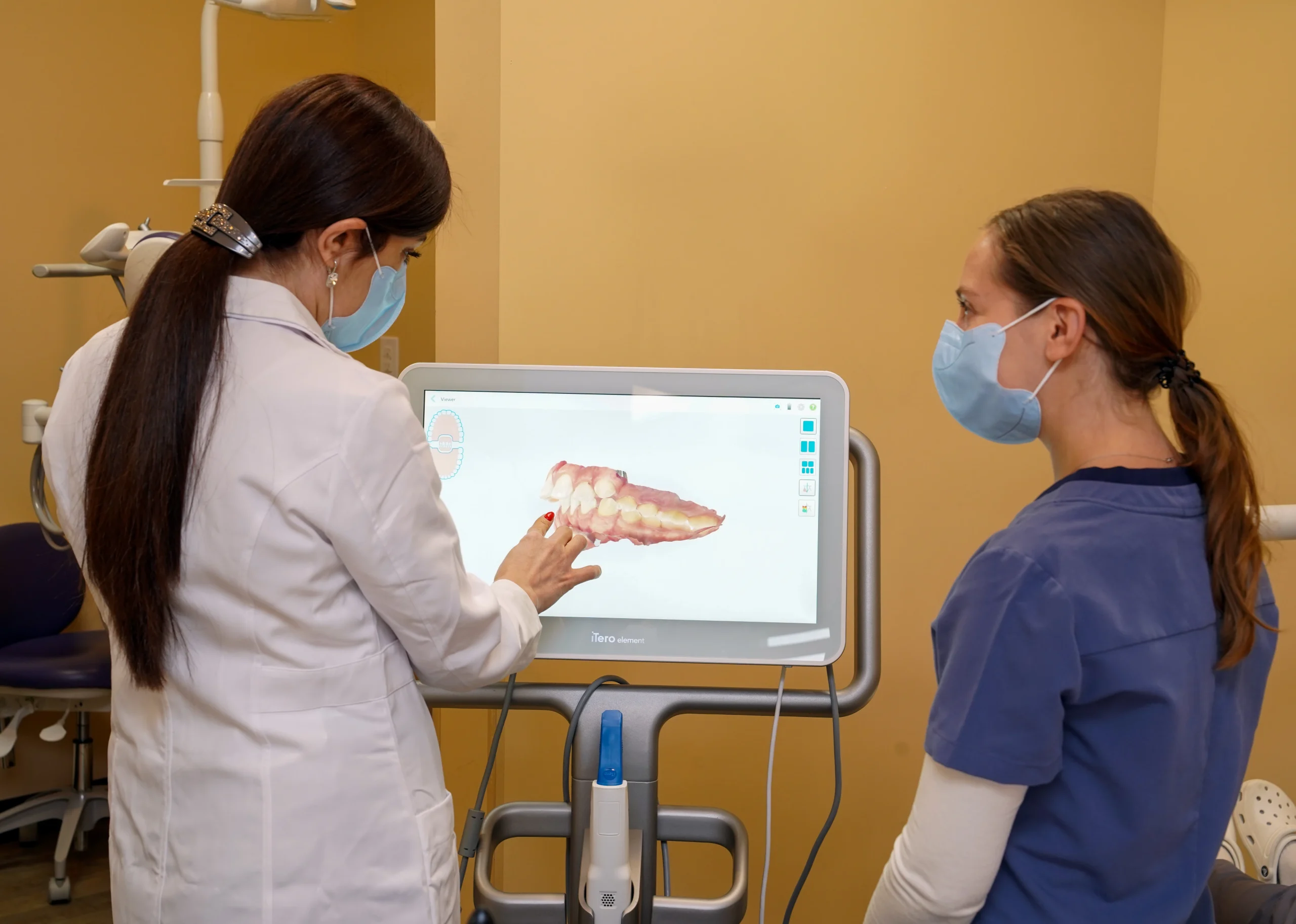
Yes, many dental insurance plans cover Invisalign treatment the same way they cover traditional braces. If your plan includes orthodontic benefits, you can typically expect coverage of $1,000 to $3,000 toward your treatment, which significantly reduces your out-of-pocket cost. The exact amount depends on your specific plan, your insurance provider, and whether you or your dependent meets the eligibility requirements.
Understanding your insurance coverage before starting Invisalign helps you budget accurately and avoid surprises. Below, we explain how orthodontic insurance works, which plans typically cover Invisalign, and what to do if you do not have coverage.
How Much Does Insurance Pay for Invisalign?
Most dental insurance plans with orthodontic benefits offer a lifetime maximum for orthodontic treatment. This means your plan will pay up to a certain amount one time in your life, regardless of how many orthodontic treatments you receive.
Typical orthodontic coverage amounts include:
- $1,000 to $1,500 for basic plans with limited orthodontic benefits.
- $1,500 to $2,000 for mid-tier plans with standard orthodontic coverage.
- $2,000 to $3,000 for comprehensive plans with enhanced orthodontic benefits.
For example, if your Invisalign treatment costs $5,600 and your insurance covers $2,000, your out-of-pocket cost would be $3,600. Many orthodontic offices offer payment plans for the remaining balance.
Keep in mind that orthodontic coverage is separate from your regular dental coverage. Your plan may cover cleanings and fillings at 80% or 100%, but orthodontics often has its own separate benefit with a lifetime maximum.
Does My Insurance Plan Include Orthodontic Coverage?
Not all dental insurance plans include orthodontics. Here is how to find out if yours does:
Check your benefits summary. Look for a section labeled “Orthodontic Benefits” or “Orthodontia.” If your plan includes orthodontic coverage, it will list the lifetime maximum and any age restrictions.
Call your insurance company. The number is on the back of your insurance card. Ask specifically: “Does my plan include orthodontic benefits for adults?” and “What is my orthodontic lifetime maximum?”
Ask your employer’s HR department. If you have insurance through your employer, HR can provide details about your orthodontic coverage or direct you to the right resources.
Request a pre-authorization. Before starting treatment, your orthodontist can submit a pre-treatment estimate to your insurance company. This confirms exactly how much your plan will pay.
At Brace Central Orthodontics, we verify your insurance coverage during your free consultation. Our team contacts your insurance company, confirms your benefits, and explains exactly what your plan will cover before you make any decisions.
Which Insurance Plans Cover Invisalign?
Most major dental insurance providers offer plans that include orthodontic coverage. Here is what you can expect from common insurers:
Delta Dental covers Invisalign as a standard benefit on all plans that include orthodontic coverage. Many Delta group and individual plans include orthodontics, though coverage amounts vary by plan.
Cigna offers orthodontic coverage on many plans. For example, the Cigna Dental 1500 plan includes up to $1,000 for orthodontic treatment, including Invisalign.
MetLife dental plans cover Invisalign as long as your orthodontist is licensed. MetLife recommends submitting a pre-treatment estimate to confirm your exact coverage.
Aetna includes orthodontic benefits on many employer-sponsored and individual plans. Coverage typically applies to both braces and Invisalign.
United Healthcare offers orthodontic coverage on some plans. Review your specific plan details or call UHC directly to confirm coverage.
Guardian and Anthem also offer orthodontic benefits on select plans.
The key is to check your specific plan, not just your insurance company. The same insurer may offer some plans with orthodontic coverage and others without.
Does Insurance Cover Invisalign for Adults?
This is an important question because many orthodontic plans limit coverage to children and teenagers.
Some insurance plans only cover orthodontics for dependents under age 19. Once you turn 19, the orthodontic benefit no longer applies, even if you never used it.
Other plans cover orthodontics for adults with no age restriction. These plans are less common but do exist, especially with employer-sponsored insurance.
If your plan excludes adult orthodontics, you still have options. Some employers offer supplemental orthodontic coverage you can add to your plan. You can also use HSA or FSA funds, which have no age restrictions.
When calling your insurance company, always ask specifically: “Does my orthodontic benefit cover adults, or is it limited to dependents under 19?”
Does Insurance Cover Invisalign the Same as Braces?
Yes. Insurance companies treat Invisalign and braces the same way. If your plan covers orthodontic treatment, that coverage applies whether you choose Invisalign or traditional braces.
Your orthodontic lifetime maximum is the same regardless of treatment type. If your plan covers $2,000 for orthodontics, you get $2,000 whether you choose clear aligners or metal brackets.
The only exception is if your plan specifically excludes “cosmetic” orthodontic treatment. This is rare, but some plans may classify clear aligners differently than braces. Always confirm with your insurance company that Invisalign is covered under your orthodontic benefit.
How to Maximize Your Invisalign Insurance Benefits
Here are strategies to get the most from your orthodontic coverage:
Start treatment before your benefit resets. If your plan has an annual maximum that contributes to orthodontics, timing your treatment start can maximize what you receive.
Submit pre-authorization. Have your orthodontist submit a pre-treatment estimate before starting. This locks in your coverage and prevents surprises.
Use FSA or HSA funds for the balance. After insurance pays its portion, use pre-tax dollars from your Flexible Spending Account or Health Savings Account to cover the rest. This effectively gives you a discount equal to your tax rate.
Ask about family discounts. If multiple family members need orthodontic treatment, some practices offer discounts when treating siblings or family members together.
Check if your plan allows dual coverage. If you have dental insurance through your employer and your spouse has separate coverage, you may be able to coordinate benefits and receive coverage from both plans.
What If I Do Not Have Orthodontic Insurance?
Not having insurance does not mean Invisalign is out of reach. Many patients pay for treatment without insurance coverage using these options:
Interest-free payment plans. At Brace Central Orthodontics, we offer flexible financing that breaks your treatment into monthly payments with no interest. You do not need to pay the full amount upfront.
Health Savings Account (HSA). If you have a high-deductible health plan, you likely have access to an HSA. You can use these pre-tax funds for Invisalign, even without orthodontic insurance coverage.
Flexible Spending Account (FSA). Many employers offer FSAs that let you set aside pre-tax money for medical expenses, including orthodontics. Plan your contributions at the start of the year to cover your expected treatment costs.
CareCredit and third-party financing. These healthcare credit cards offer promotional periods with 0% interest. Pay off your balance before the promotional period ends to avoid interest charges.
Tax deductions. Orthodontic treatment is a deductible medical expense if your total medical costs exceed 7.5% of your adjusted gross income.
Why Brooklyn Patients Choose Brace Central Orthodontics
When you choose Brace Central Orthodontics for Invisalign treatment, we make the insurance process simple:
Free insurance verification. During your complimentary consultation, our team contacts your insurance company and confirms your exact orthodontic benefits. You will know what your plan covers before making any decisions.
We accept most major insurance plans. We work with Delta Dental, Cigna, MetLife, Aetna, Guardian, and many other providers. Our team handles the paperwork and submits claims on your behalf.
Interest-free payment plans for any balance. After insurance pays its portion, we offer flexible financing for the remaining cost with no interest charges.
Expert care from experienced specialists. Dr. Polina Ingberman has over 25 years of orthodontic experience and is an Invisalign Platinum Provider. She graduated first in her class from NYU College of Dentistry and completed her residency at Columbia University. Dr. Amalya Igityan is board certified by the American Board of Orthodontics.
Convenient Brooklyn location. Our office at 2468 Coney Island Avenue in Gravesend and Sheepshead Bay is easy to reach. We offer flexible scheduling including after-school appointments.
One patient recently shared: “Both of my sons have received service from this dentist and we appreciate the staff members who are very caring and respectful. My kids had a great experience.”
Frequently Asked Questions
Does Delta Dental cover Invisalign?
Yes. Delta Dental covers Invisalign as a standard benefit on all plans that include orthodontic coverage. The amount depends on your specific plan’s orthodontic lifetime maximum.
Does insurance cover Invisalign refinements?
Refinement policies vary by plan. Most insurance covers your initial orthodontic treatment up to the lifetime maximum. Whether refinements are included depends on how your orthodontist structures the treatment plan. Ask during your consultation.
Can I use two insurance plans for Invisalign?
Possibly. If you have coverage through your employer and your spouse has separate coverage, you may be able to coordinate benefits. Contact both insurance companies to understand how coordination works with your specific plans.
Does insurance cover retainers after Invisalign?
Some plans include retainers as part of orthodontic treatment, while others consider them separate. Your orthodontist can clarify what is included in your treatment cost and what insurance typically covers.
How do I find out my exact Invisalign coverage?
Schedule a free consultation at Brace Central Orthodontics. We verify your insurance benefits and provide a complete breakdown of what your plan covers and what your out-of-pocket cost will be.
Disclaimer
Medically reviewed by Dr. Polina Ingberman, Orthodontist.
This content is for educational purposes only and is not intended as medical advice, diagnosis, or treatment. Please consult a qualified healthcare provider for personalized recommendations.