
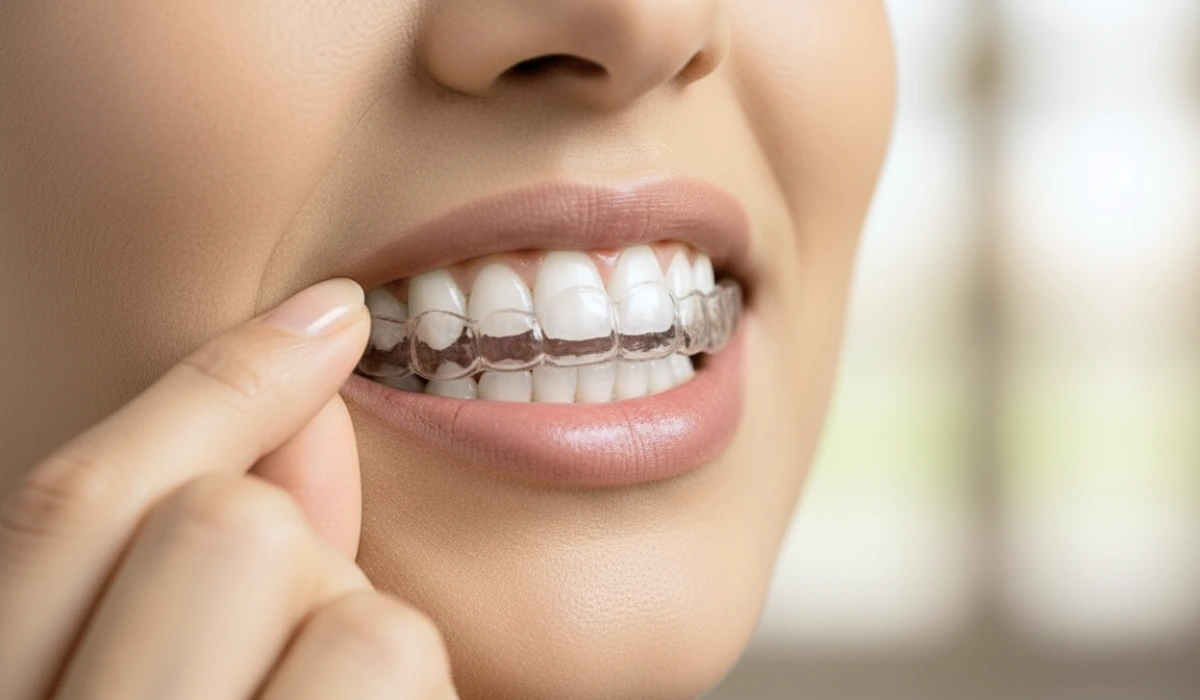
The fastest ways to relieve Invisalign pain are switching to new trays at night so you sleep through the worst discomfort, taking over-the-counter pain relievers like ibuprofen 30 minutes before inserting a new tray, applying a cold compress to your cheeks, and using orthodontic wax on any sharp edges. Most Invisalign discomfort is mild and goes away within 2 to 3 days of starting each new tray.
If you are experiencing pain from your Invisalign aligners, you are not alone. Some level of discomfort is normal and actually means your treatment is working. Below are the most effective ways to manage it.
Why Does Invisalign Cause Pain?
Invisalign aligners apply gentle pressure to move your teeth into new positions. This pressure causes temporary inflammation in the periodontal ligament, the tissue that connects your teeth to your jawbone. Your body interprets this inflammation as discomfort or soreness.
The pain is usually most noticeable:
- During the first week of treatment when your mouth is adjusting to wearing aligners for the first time.
- For the first 2 to 3 days after switching to a new tray, as each new aligner applies fresh pressure to continue moving your teeth.
- On specific teeth that are being moved more aggressively in that stage of treatment.
- This discomfort is temporary and typically mild. It means your aligners are doing their job.
7 Ways to Relieve Invisalign Pain
1. Switch to New Trays at Night
One of the best pain management strategies is timing when you start each new aligner. Switch to your new tray right before bed so you sleep through the initial hours of tightness and pressure.
By the time you wake up, the worst of the adjustment period is over. Your teeth have already begun moving, and the discomfort is more manageable during your waking hours.
2. Take Pain Relievers Before Inserting New Trays
Over-the-counter pain relievers like ibuprofen (Advil, Motrin) or acetaminophen (Tylenol) can significantly reduce Invisalign discomfort. Take the recommended dose about 30 minutes before putting in a new tray.
This gives the medication time to start working before the pressure begins. You can continue taking pain relievers as needed for the first day or two of each new tray, following the dosage instructions on the package.
Ibuprofen is often preferred because it reduces both pain and inflammation. However, if you cannot take ibuprofen due to medical reasons, acetaminophen is a good alternative.
3. Use Cold Compresses
Applying cold to your face can numb the area and reduce inflammation. Use a cold pack wrapped in a thin towel and hold it against your cheek for 10 to 15 minutes at a time.
You can also drink cold water or suck on ice chips while wearing your aligners. The cold temperature provides temporary numbing relief and can make the pressure feel less intense.
Avoid using ice directly on your skin, as this can cause ice burn. Always wrap cold packs in a cloth.
4. Apply Orthodontic Wax to Sharp Edges
If the edges of your aligners are irritating your gums, tongue, or cheeks, orthodontic wax provides a protective barrier. Pinch off a small piece, roll it between your fingers to warm it, and press it onto the area of the aligner causing irritation.
You can find orthodontic wax at most pharmacies or ask your orthodontist for some at your next appointment. The wax is safe to leave in your mouth and will not affect your treatment.
If certain edges are consistently sharp, let your orthodontist know. They may be able to smooth the aligner or check that it fits correctly.
5. Try a Warm Saltwater Rinse
Saltwater rinses can soothe irritated gums and promote healing. Mix one teaspoon of table salt into a cup of warm water and swish it around your mouth for 30 seconds before spitting it out.
Do this 2 to 3 times per day, especially after meals. Saltwater is a natural disinfectant that can reduce inflammation and help any small sores heal faster.
This is particularly helpful if your aligners have caused minor irritation to your gum tissue.
6. Keep Your Aligners In
It might seem counterintuitive, but removing your aligners to escape the discomfort can actually make things worse. Every time you take them out and put them back in, you restart the adjustment period.
Wearing your aligners consistently for 20 to 22 hours per day allows your teeth to adapt to the pressure more quickly. The more consistently you wear them, the faster the discomfort fades.
If you are only wearing your aligners 18 hours a day or less, you may experience prolonged soreness because your teeth keep shifting back slightly when the aligners are out.
7. Eat Soft Foods for the First Day or Two
When your teeth are sore from a new tray, chewing hard or crunchy foods can intensify the discomfort. Stick to soft foods for the first day or two after switching trays.
Good options include yogurt, smoothies, soup, scrambled eggs, mashed potatoes, pasta, and soft-cooked vegetables. Avoid hard foods like nuts, raw carrots, crusty bread, and chips until the soreness subsides.
You may also find that room-temperature foods are more comfortable than very hot or very cold foods if your teeth are feeling sensitive.
How Long Does Invisalign Pain Last?
For most patients, Invisalign discomfort follows a predictable pattern:
- First 3 to 5 days of treatment: The initial adjustment to wearing aligners causes the most discomfort. Your mouth is getting used to having plastic trays in place.
- First 24 to 48 hours of each new tray: Each time you switch to a new aligner, you will feel pressure and mild soreness as your teeth begin the next stage of movement.
- After 2 to 3 days: The discomfort fades significantly as your teeth settle into their new positions.
If your pain lasts longer than a week with a specific tray, or if it is severe rather than mild, contact your orthodontist. This could indicate that something is not fitting correctly.
When Invisalign Pain Is Not Normal
Some discomfort is expected, but certain symptoms warrant a call to your orthodontist:
- Severe pain that does not respond to over-the-counter medication. Mild to moderate discomfort is normal. Severe pain is not.
- Pain that gets worse instead of better after several days. Discomfort should improve over time, not intensify.
- Sharp pain in a single tooth. This could indicate an issue with how that tooth is being moved or a problem with the tooth itself.
- Pain accompanied by swelling, bleeding, or signs of infection. These symptoms need professional evaluation.
- Aligners that do not fit properly. If your tray does not snap into place or sits unevenly, do not force it. Contact your orthodontist.
Trust your instincts. If something feels wrong, it is always better to ask your orthodontist than to push through.
Does Invisalign Hurt More Than Braces?
Most patients find Invisalign less painful than traditional braces. There are no metal brackets to irritate your cheeks, no wires to poke your gums, and no tightening appointments that cause intense soreness for days afterward.
With Invisalign, the pressure is more gradual and distributed across multiple teeth. The smooth plastic aligners are also gentler on the soft tissues of your mouth than metal braces.
That said, everyone experiences discomfort differently. Some patients breeze through Invisalign with minimal pain, while others are more sensitive. Either way, the discomfort is temporary and manageable.
Why Brooklyn Patients Choose Brace Central Orthodontics for Invisalign
At Brace Central Orthodontics, we prepare you for what to expect at every stage of your Invisalign treatment.
- Clear guidance on managing discomfort. We explain exactly how to minimize pain when switching trays and what to do if something does not feel right. Our patients know what to expect before they experience it.
- Aligners that fit correctly. Poor-fitting aligners cause more pain than necessary. Dr. Polina Ingberman, with over 25 years of orthodontic experience, ensures your aligners fit precisely for effective treatment with minimal discomfort.
- Responsive support when you need it. If you are experiencing unusual pain or have concerns about your aligners, our team is here to help. We do not leave you guessing whether something is normal.
- Invisalign Platinum Provider. Dr. Ingberman has treated hundreds of Invisalign patients and understands the nuances of comfortable, effective treatment. Her residency training at Columbia University and experience as an Invisalign Platinum Provider mean you are in expert hands.
- Convenient Brooklyn location. Our office at 2468 Coney Island Avenue in Gravesend and Sheepshead Bay makes it easy to come in if you need an aligner adjustment or have questions about your treatment.
Frequently Asked Questions
Is it normal for Invisalign to hurt?
Yes, mild discomfort is normal, especially during the first week and the first few days after switching to each new tray. The pressure means your teeth are moving as planned.
How do I make my Invisalign stop hurting?
Switch to new trays at night, take ibuprofen before inserting a new tray, use cold compresses, apply orthodontic wax to sharp edges, and wear your aligners consistently.
Does Invisalign pain go away?
Yes. Most discomfort fades within 2 to 3 days of starting a new tray. As you progress through treatment, many patients find that newer trays cause less discomfort than earlier ones.
Should I take my Invisalign out if it hurts?
No. Removing your aligners prolongs the adjustment period. The more consistently you wear them, the faster your teeth adapt and the discomfort subsides.
When should I call my orthodontist about Invisalign pain?
Contact your orthodontist if pain is severe, lasts longer than a week, gets worse instead of better, or is accompanied by swelling or other unusual symptoms.
Disclaimer
Medically reviewed by Dr. Polina Ingberman, Orthodontist.
This content is for educational purposes only and is not intended as medical advice, diagnosis, or treatment. Please consult a qualified healthcare provider for personalized recommendations.