
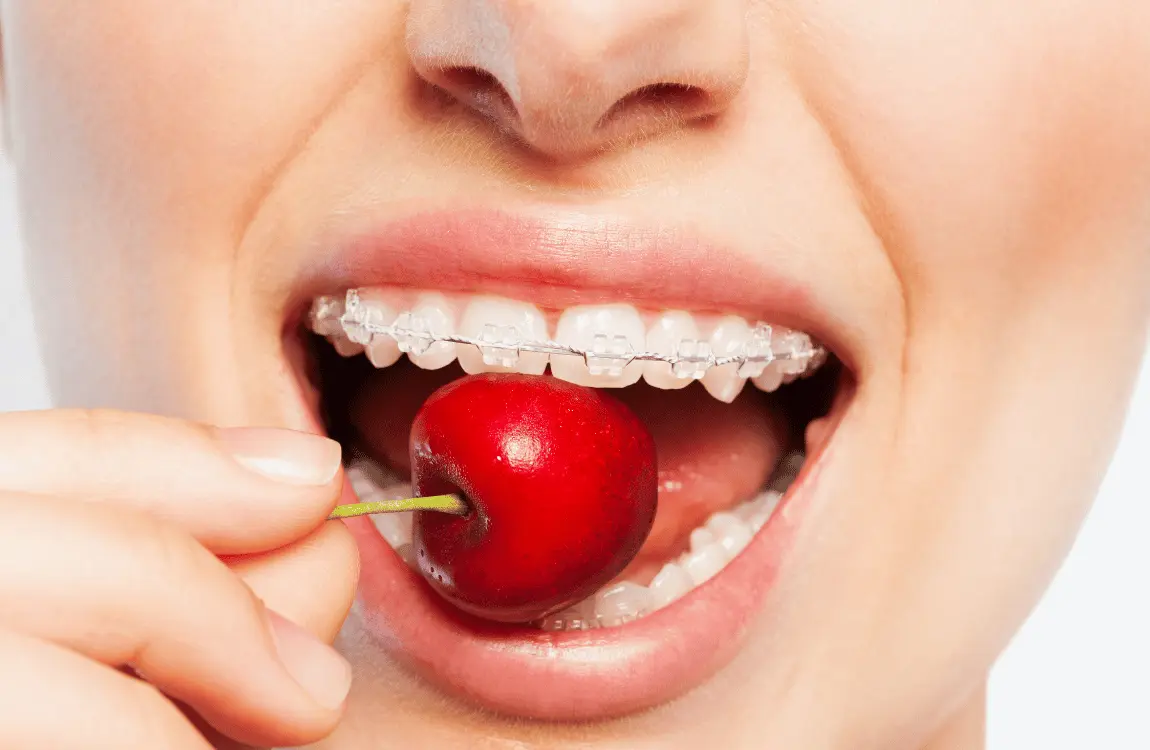
In the first week with braces, eat soft foods that need almost no chewing. The 50+ options below are grouped by meal so you can put a full day together quickly:
- Breakfast: yogurt, oatmeal, scrambled eggs, smoothies, soft pancakes
- Lunch: soup, mashed potato bowls, soft pasta, tuna salad on soft bread
- Dinner: tender fish, meatloaf, well-cooked rice, cooked vegetables, soft tofu
- Snacks: applesauce, banana, hummus, soft cheese, ripe melon
- Dessert: pudding, ice cream, jello, custard, soft baked apple
If you also want the day-by-day timeline of when normal eating returns, see our guide to how long after braces can I eat normally. Most patients are back to their regular diet within 1 to 2 weeks.
50+ soft foods to eat in your first week
Mix and match across categories so you are not eating the same yogurt for seven days. Aim for 1 protein, 1 carb, and 1 cooked produce item per meal.
Breakfast (10 ideas)
- Plain or Greek yogurt with mashed berries
- Oatmeal with banana and a drizzle of honey
- Scrambled eggs (cooked soft, not rubbery)
- Smoothie with milk or yogurt and frozen fruit
- Soft pancakes (skip the crispy edges)
- Cream of wheat or grits
- Soft-boiled eggs on soft bread (no crusts)
- Cottage cheese with peach slices
- Breakfast smoothie bowl (granola only after week 2)
- French toast (soft center, no charred edges)
Lunch (10 ideas)
- Tomato soup with grilled cheese cut into small squares
- Mashed potato bowl with shredded cheese
- Soft pasta with mild sauce
- Tuna salad on soft white bread
- Egg salad sandwich
- Macaroni and cheese
- Soft burrito with refried beans (no crunchy taco shells)
- Risotto or creamy polenta
- Chicken noodle soup with shredded chicken
- Avocado toast on soft bread
Dinner (10 ideas)
- Baked or pan-seared tender fish (salmon, cod, tilapia)
- Meatloaf or meatballs in sauce
- Slow-cooked shredded chicken
- Well-cooked rice with stewed vegetables
- Soft tofu in a stir-fry (skip raw vegetables)
- Lasagna (cooked tender, no crunchy top)
- Shepherd’s pie
- Salisbury steak with mashed potatoes
- Baked sweet potato with butter
- Slow-cooked beef stew (small pieces)
Snacks (10 ideas)
- Applesauce
- Ripe banana
- Hummus with very soft pita (no crusts)
- Soft cheese cubes
- Ripe melon, peach, or kiwi
- Cottage cheese with soft fruit
- Yogurt with mashed berries
- Avocado mashed on soft bread
- Smoothie
- Soft cheese on a teaspoon (no crackers)
Drinks and dessert (10 ideas)
- Pudding (chocolate, vanilla, butterscotch)
- Ice cream (no crunchy add-ins)
- Jello
- Custard or flan
- Soft baked apple
- Banana ice cream (frozen banana blended)
- Milkshake
- Smoothie bowl
- Whipped cream on ripe fruit
- Soft cake (sponge or angel food, no nuts)
Sample 3-day meal plan for week 1
If you want a copy-paste plan for the toughest stretch (the first 5 days), here is a working example.
Day 1 (peak soreness)
- Breakfast: plain yogurt with mashed banana
- Lunch: tomato soup with melted cheese
- Dinner: mashed potato bowl with shredded chicken in gravy
- Snacks: applesauce, smoothie
- Dessert: vanilla pudding
Day 3 (transition)
- Breakfast: scrambled eggs and soft toast (no crust)
- Lunch: macaroni and cheese with cooked peas
- Dinner: baked salmon with sweet potato
- Snacks: cottage cheese with peach, ripe banana
- Dessert: ice cream
Day 5 (back to most foods)
- Breakfast: oatmeal with mashed berries
- Lunch: tuna salad sandwich on soft bread
- Dinner: meatballs in sauce with soft pasta and cooked spinach
- Snacks: hummus with soft pita, ripe melon
- Dessert: soft baked apple
Foods to avoid in your first week
The first 7 days are when brackets are still settling. A handful of foods cause most of the broken-bracket emergencies in this window:
- Hard: nuts, hard candy, ice, popcorn kernels, raw carrots, hard pretzels, crusty bread
- Sticky: caramel, taffy, gum, gummy candy, dried fruit (especially raisins)
- Chewy: bagels, beef jerky, chewy bread crusts, tough steak
- Bite-into: apples, corn on the cob, ribs (cut these foods off the bone or core first)
Foods to keep avoiding for the rest of treatment
Some items stay off the menu until the braces come off. The full list is in our foods to avoid with braces guide. Top offenders:
- Popcorn (the kernel husks lodge under the wire and the gum)
- Whole nuts and seeds (high bracket-break rate)
- Hard candies and chewy candies (cavity risk + bracket damage)
- Ice (a top cause of cracked brackets)
- Tough cuts of meat that need biting
How to prep food so it works with braces
Cut everything small
The mouth has 3 ways to break a bracket: biting in, twisting, or crunching. Cutting food into pea-sized pieces eliminates “biting in” entirely. Drop the pieces straight onto the back teeth.
Cook longer than usual
Vegetables that are al dente are too firm in week 1. Cook them until a fork passes through with no resistance. Same with pasta and rice.
Lukewarm beats hot
Hot food amplifies any nerve sensitivity in the first 48 hours. Let soup cool to lukewarm and skip very cold drinks until day 3.
Brushing after every meal stays critical with braces; see our guide to how to clean braces and teeth.
“Parents always ask me what to put in a school lunch the day after braces. Honestly, anything you can mash with a spoon is the rule. A yogurt, a smoothie, mac and cheese, mashed potatoes, those four cover most kids comfortably for the first 3 days, and we adjust from there at the next checkup.”
When eating returns to normal
Most patients chew comfortably by day 5 and return to their regular diet (minus the avoid list) by week 2. For the full day-by-day breakdown of recovery, see our guide to how long after braces can I eat normally. After your treatment ends, you will also want to know about retainers and any filing teeth after braces finishing your orthodontist may recommend.
Frequently asked questions
Can I eat pizza in my first week with braces?
Yes, with caveats. Skip the crust and cut the slice into small pieces. The center of a soft slice is fine; the crust edge is the part that breaks brackets. Stick to thin or pan crusts (avoid the chewy crusts of New York style or hand-tossed) for the first week.
Are smoothies OK every day with braces?
Yes, smoothies are one of the safest week-1 staples. Use a straw, vary the ingredients (yogurt one day, milk and frozen fruit the next), and rinse with water afterward to prevent fruit-acid lingering on the brackets.
Can I drink coffee in my first week with braces?
Yes. Let it cool to lukewarm in the first 48 hours to avoid amplifying nerve sensitivity. Long term, coffee can stain the elastic ties around brackets, so a quick water rinse afterward keeps the smile cleaner.
What should I eat if I have nothing soft at home?
The fastest grocery list: yogurt, eggs, instant mashed potatoes, soup, smoothies in a bottle, applesauce pouches, soft bread, and a banana. That covers all 3 meals plus snacks for 2 days.
Is it OK to skip meals if my mouth hurts?
Brief skipping is fine, but switch to liquids if chewing is too painful. Smoothies, soups, milkshakes, and protein drinks keep calories and protein up while your mouth recovers. Hydration matters; keep sipping water through the day.
What about kids’ first week with braces?
Kids tolerate the first week better than adults on average. The same soft-food rules apply. Pack lunches with yogurt, mac and cheese, mashed potato bowls, smoothies in a thermos, soft sandwiches with crusts removed, and applesauce pouches. Keep Invisalign in mind as a removable alternative for older teens who travel for sports or events where soft food is hard to find.
Schedule your consultation
If you have questions about your first week or want to start orthodontic treatment in Brooklyn, our team is happy to help. Book a consultation or call 718-998-1888 to get started.
This article is for informational purposes only and is not a substitute for professional medical advice, diagnosis, or treatment. Always consult with a qualified orthodontist regarding any treatment concerns.