
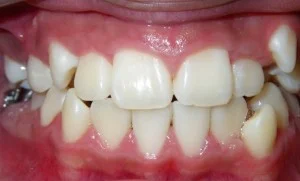
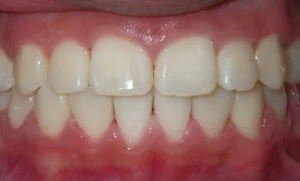
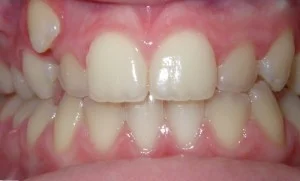
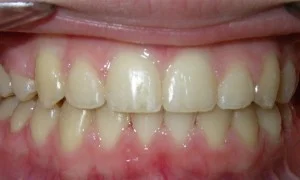
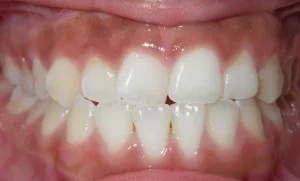
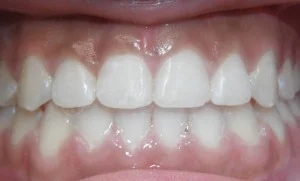
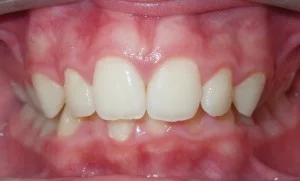
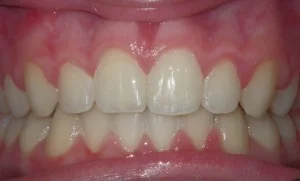





Braces Before and After: 6 Real Transformations and What to Expect

braces before and after

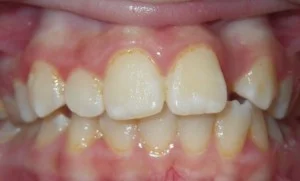
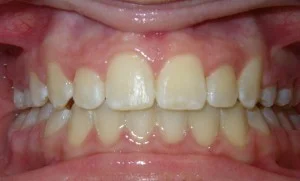
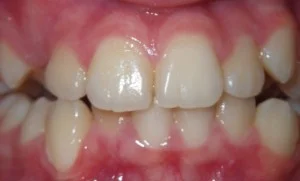
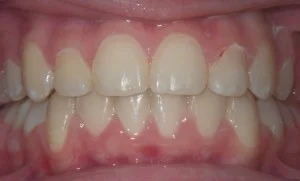
Braces before-and-after results vary based on the starting condition, treatment type, and case complexity. This guide describes the 6 most common transformations Brooklyn orthodontist Dr. Polina Ingberman, DDS treats at Brace Central, with realistic timelines for each. The cases covered:

  1. Severe crowding (the most dramatic visual change)
  2. Spacing and gaps (common in adults)
  3. Overbite correction (functional + cosmetic)
  4. Underbite correction (often combined with growth modification)
  5. Crossbite correction (subtle but functionally important)
  6. Open bite closure (common in former thumb-suckers)

Real before/after photos require patient consent and are reviewed in person at consultation; many of the cases described here can be seen in our office portfolio when you visit. This article explains the visible and functional changes you can expect at 3, 6, 12, and 18 months for each case type, plus what traditional braces and Invisalign clear aligners can and cannot deliver.

Why braces before and after results vary so much

No two before-and-after results look the same because no two starting points look the same. The factors that drive how dramatic the visual change will be:

  • Starting severity. Severe crowding produces the most striking visual change. Mild misalignment produces a more subtle but still meaningful improvement.
  • Treatment type. Fixed braces produce the same final result as Invisalign in most cases, but the visible journey looks different along the way.
  • Treatment length. Adult cases averaging 12 to 18 months show progressive change; teen comprehensive cases averaging 24+ months show more total movement.
  • Patient compliance. Wearing aligners 22+ hours daily, attending appointments on schedule, and avoiding bracket-breaking foods all directly affect outcome quality.
  • Case complexity. Single-arch corrections finish faster than full upper-and-lower; cases with extractions or surgical input show different transformation patterns.

This variation is why a generic “braces before and after” image search rarely matches what your specific case will produce. The closest predictor is a digital treatment plan based on your own scan.

The 6 most common transformations

1. Severe crowding (most dramatic change)

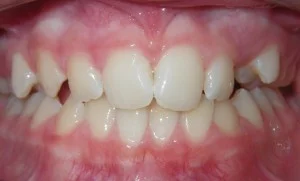
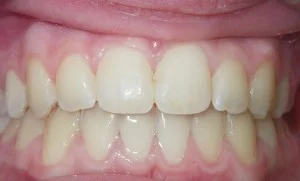
Crowding is the most visually striking case type. Teeth that overlap, twist sideways, or sit in front of the dental arch get straightened into proper alignment. By month 6, most of the rotation correction is visible; by month 12 to 18, the arch shape is fully established. Patients with severe crowding often describe seeing themselves smile in mirrors more than they did in the months before treatment.

2. Spacing and gaps

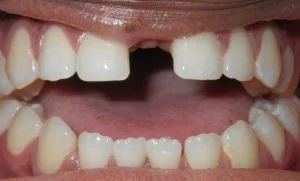
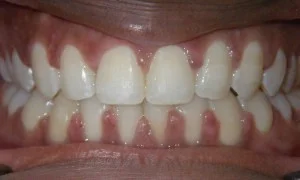
Gaps between front teeth (diastemas) or wider spacing across the arch close progressively as braces or aligners pull teeth toward each other. Adult spacing cases typically resolve in 9 to 15 months. Final results are usually held with a permanent retainer, since spaces can reopen if the retention plan is not followed.

3. Overbite correction

An overbite means the upper front teeth cover too much of the lower. Correction involves both upper and lower jaw movement, and the visible change shows up as the lower teeth becoming more visible when smiling. Functional benefits include even chewing distribution, reduced jaw strain, and protection of the upper front teeth from chipping.

4. Underbite correction

An underbite (lower teeth in front of upper when biting) is often more visible in profile than head-on. Correction in growing patients (under 14) sometimes uses functional appliances alongside braces; adult correction may require surgical input for severe cases. Visible profile change is significant; the chin position shifts noticeably.

5. Crossbite correction

Crossbite means some upper teeth bite inside the lower teeth instead of outside. Often subtle from the front but functionally important: untreated crossbites cause uneven jaw growth, asymmetric tooth wear, and TMJ strain over time. Visible result is more symmetric smile width and even jaw movement when chewing.

6. Open bite closure

An open bite means the front teeth do not touch when the back teeth are closed. Common in former thumb-suckers and in patients with tongue-thrust habits. Closure usually requires habit elimination plus orthodontic treatment. Visible result is the front teeth meeting properly during a closed-mouth smile, which they previously could not.

Braces results timeline: what changes at 3, 6, 12, and 18 months

For a typical comprehensive case (covering all the transformations above), the milestones are:

  • Month 0: Initial scan, treatment plan, brackets bonded or first aligners delivered. No visible change yet.
  • Month 3: First visible alignment improvements, especially for crowding. Patients often report family/friends noticing.
  • Month 6: Major rotation and tipping corrections complete. Bite begins to settle into the new pattern.
  • Month 9: Detail refinements (small spacing, minor bite tweaks). Treatment looks “almost done” to the patient.
  • Month 12: Final adjustments. For mild adult cases, this is treatment end.
  • Month 15 to 18: Comprehensive cases complete. Brackets removed or final aligner stage finished.
  • Month 18+: Retention phase begins with retainers worn nightly long-term. Without retention, results regress.

Severe cases involving extraction, surgical input, or significant bite correction can extend to 24 to 30 months. Mild adult cases (small spacing, single-arch refinement) finish in as little as 6 to 9 months.

Visual vs functional results: what you see vs what works

Patients evaluating braces before-and-after focus naturally on the visible smile change. Orthodontists evaluate two equally important categories:

  • Visual results include tooth straightness, arch shape, and smile aesthetics. These are what most patients photograph and share.
  • Functional results include bite stability, jaw alignment, chewing efficiency, and reduced TMJ strain. Less photogenic but more important to long-term oral health.

The most successful cases deliver both. A purely cosmetic improvement that leaves the bite imbalanced will degrade over time as the unstable bite causes new shifting. This is why orthodontists at Brace Central plan around functional outcomes first; the visual results follow.

What braces cannot fix (and what comes next)

Braces and aligners are excellent for tooth alignment, bite correction, and arch shaping. They do not address:

  • Tooth color or staining (whitening or veneers handle this separately, after braces)
  • Tooth shape or chips (bonding or crowns handle this; see our guide on getting braces with a crown)
  • Severe jaw skeletal mismatches (may require orthognathic surgery in addition to orthodontics)
  • Gum line problems (periodontal treatment is separate)
  • Missing teeth (implants or bridges fill spaces; orthodontics may prepare the space first)

For patients curious about combining orthodontic treatment with restorative work, see our related guides on when straight-looking teeth still benefit from braces and eating during the first week of treatment.

How to see real before-and-after cases at Brace Central

Real patient before-and-after photos are reviewed during in-person consultation. We maintain a portfolio of consented cases organized by treatment type so patients can see results from cases similar to their own. The consultation also includes:

  • 3D digital scan of your current bite
  • Treatment simulation showing your projected outcome
  • Side-by-side comparison with similar consented cases
  • Honest timeline estimate for your specific case

You can also read patient reviews from local Brooklyn families who have completed treatment at Brace Central. Long-term patient feedback gives a fuller picture than any single before-and-after photo.

Frequently Asked Questions

How long until I see visible results from braces?

Most patients see early visible alignment changes within 3 months. Major rotation and tipping corrections become obvious by month 6. Final results for typical comprehensive cases appear at 12 to 18 months.

Do braces results last forever?

Results last as long as you wear your retainer. Without retention, teeth gradually shift back toward their pre-treatment positions over 1 to 5 years. A nightly retainer worn long-term keeps results stable; see our guide on retainer importance.

Will Invisalign give the same results as braces?

For mild to moderate cases, yes. For severe crowding, complex bite correction, or large rotational movements, traditional braces typically produce a more controlled final result. The orthodontist will recommend the option best suited to your case.

Are braces results worth it for adults?

Yes. Adult patients consistently report increased smile confidence and better long-term oral hygiene after treatment. Functional benefits (reduced jaw strain, better chewing distribution, less wear on individual teeth) compound over time as the bite stabilizes.

Can I see actual photos of patient transformations before booking?

Real patient photos are shown during in-person consultation, with appropriate consent. We do not publish identifying patient photos publicly. The consultation includes a side-by-side comparison of consented cases similar to yours.

What is the most dramatic transformation type?

Severe crowding produces the most striking visual change because the starting point looks very different from the finished result. Underbite correction in profile view also produces noticeable change. Spacing and crossbite corrections are more subtle but functionally significant.

Want to see real braces before-and-after results similar to your case? Book a Brooklyn consultation with Dr. Polina Ingberman, DDS at Brace Central. We will scan your bite, project your projected result, and show you consented cases that match your starting point. Schedule a Brooklyn consultation.

For more on what comes next after starting treatment, see our guides on how to keep braces and teeth clean and what to eat during your first week with braces.

Disclaimer: This article is for informational purposes only and is not a substitute for professional medical advice, diagnosis, or treatment. Treatment results are individual and depend on starting condition, case complexity, and patient compliance. Always consult with a qualified orthodontist regarding any dental concerns.

Share the Post: