
Sometimes surgery can be avoided and sometimes it cannot, and the honest answer comes down to one thing: whether your bite problem lives in the teeth or in the jawbones themselves, and how large the difference is. When the mismatch between the upper and lower jaw is mild to moderate, an orthodontist can often improve the bite with braces or aligners alone, an approach called camouflage treatment, with no surgery. When the jaws are significantly out of proportion in an adult who has finished growing, surgery is sometimes the more dependable way to reach a stable, comfortable bite. A full orthodontic evaluation, ideally a second opinion, is what tells you which situation is actually yours.
Being told you might need jaw surgery is unsettling, and it helps to know that the recommendation is a starting point rather than a verdict. Whether braces can do the job on their own depends on the specific reason your bite is off. Here is how an orthodontist sorts that out.
When jaw surgery is genuinely needed, and when braces can do it alone
The whole question turns on one distinction: is the problem in the position of your teeth, or in the size and position of the jawbones? Braces and clear aligners move teeth, not bone. When teeth are crowded, spaced, or tipped, braces can guide them into a better bite. When the upper and lower jaw are simply built to different sizes or sit out of line with each other, that is a skeletal difference, and moving teeth can only compensate for it so far.
Severity is the second factor. A small skeletal difference can often be camouflaged, meaning the teeth are repositioned to make the bite work and the smile look even without operating on the bone. A large difference in a grown adult is where surgery earns its place, because the teeth alone cannot bridge that much of a gap. As Dr. Polina Ingberman puts it, adjusting jaw alignment is possible in some cases and depends on the specific case, and many bite problems, including many crossbites, can be improved without surgery, but it takes a clinical evaluation to know which kind you have.
What the non-surgical alternatives actually are
Camouflage treatment is the main one. Braces or aligners reposition the teeth to make up for a mild-to-moderate jaw difference, so the bite functions well and the smile looks balanced, all without surgery. Orthodontists can also use small temporary anchor points to achieve tooth movements that used to be difficult, which widens what braces can accomplish on their own.
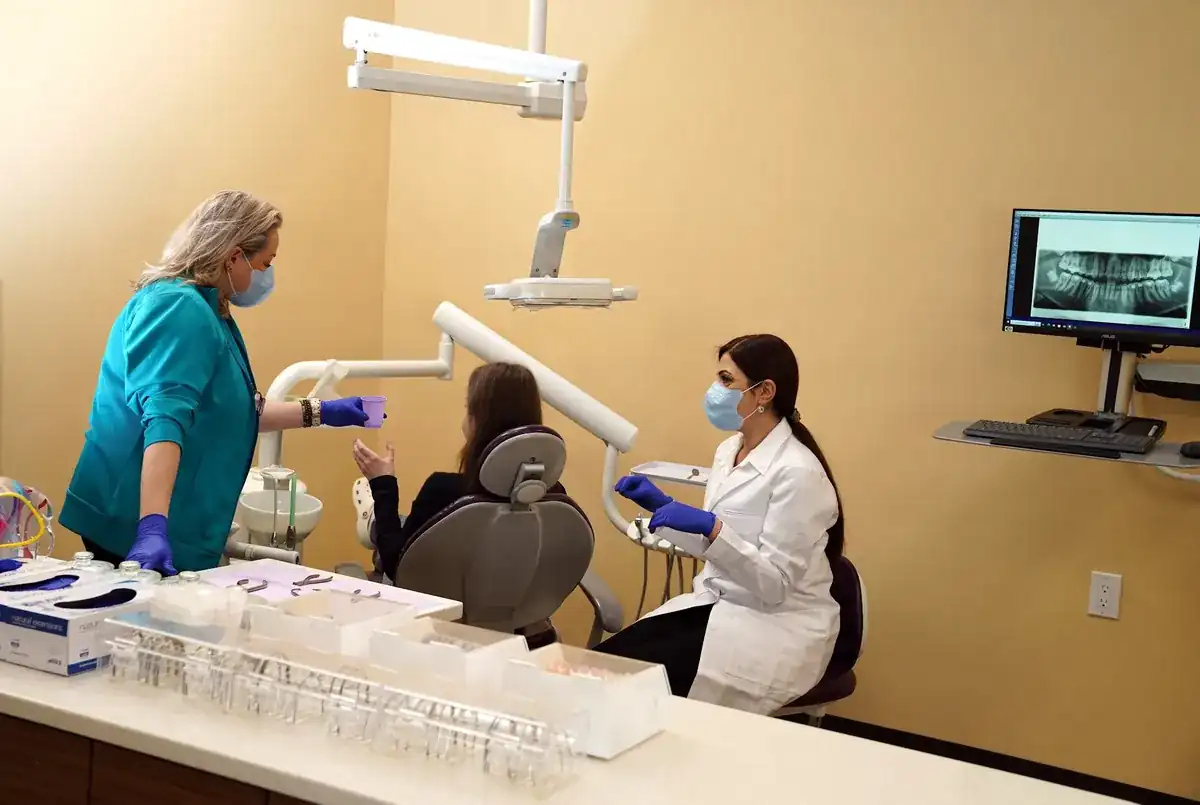
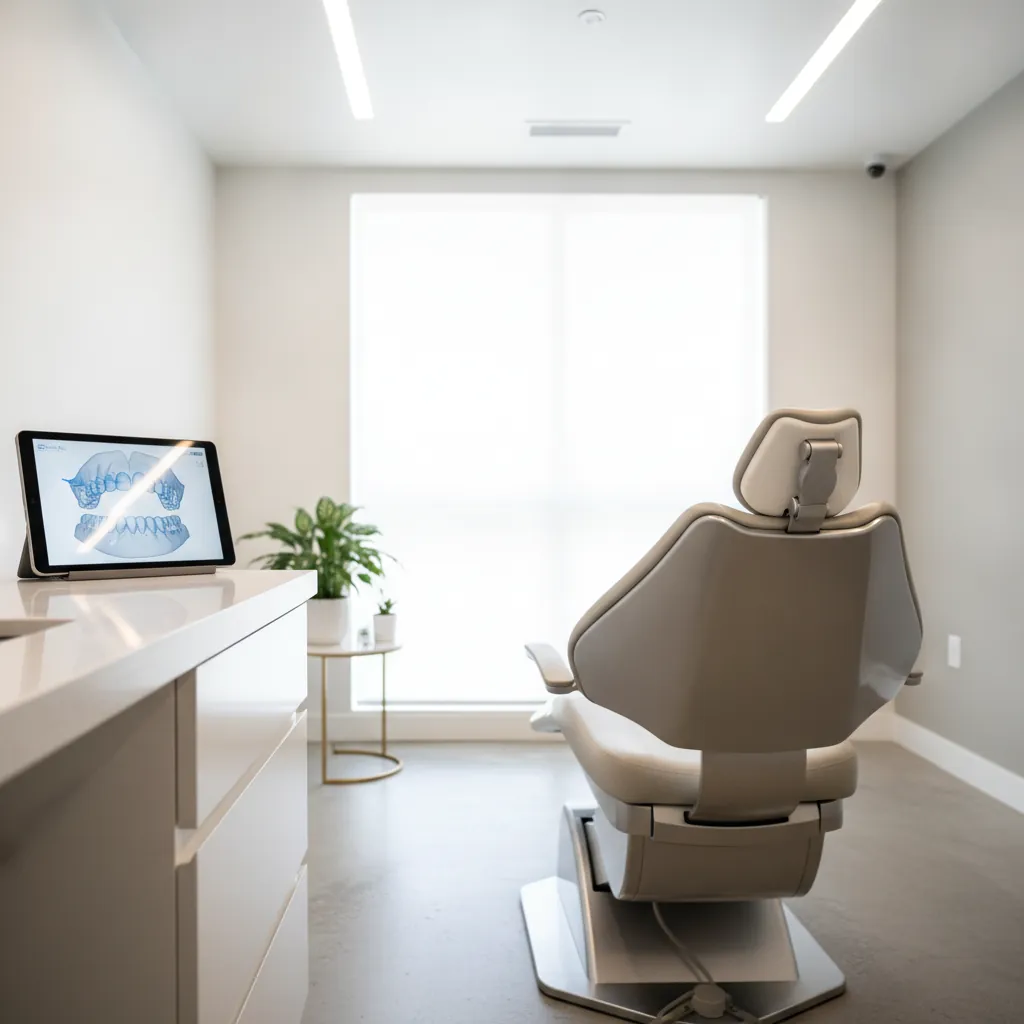
At Brace Central Orthodontics, braces options include Damon self-ligating braces, and treatment starts with a full evaluation and a digital iTero scan, so the orthodontist can see whether the problem is coming from the teeth, the jaws, or both before anything begins. Which approach fits, and whether it can stand in for surgery in your particular case, comes from a clinical look at your records.
Does your age change whether you can avoid surgery?
Yes, more than almost anything else, because growth is the biggest lever an orthodontist has. In a child or younger teen who is still growing, appliances can sometimes guide how the jaws develop, which can head off a problem that would otherwise call for surgery years later. Dr. Ingberman notes that the best time to address something like an underbite is usually in a growing child, roughly ages 8 to 12. This is a large part of why an orthodontic evaluation is recommended around age 7, so emerging bite issues can be caught before they turn severe.
Once growth finishes, that window closes. In a fully grown adult with a significant skeletal difference, the jawbones are set, so guiding growth is off the table and the real choice becomes camouflage within its limits or surgery. That's why the same bite can have very different answers for a 10-year-old and for their parent.
What you give up if you avoid surgery
An honest orthodontist will be clear that camouflage has limits. For a mild-to-moderate jaw difference, it can deliver a healthy, good-looking, functional bite. For a severe skeletal mismatch, compensating with tooth movement alone can leave the bite less stable or less balanced than surgery would, and a careful orthodontist will tell you when your case crosses that line rather than promise a result that braces cannot hold. The purpose of the evaluation is to find exactly where your case sits on that scale, so you can weigh a realistic non-surgical result against what surgery would add.
My case needed very attentive approach and a lot of adjustments along the way. And Dr. Polina has done a great job
Nickolas Struk
Why a second opinion is worth getting
Recommendations vary with an orthodontist's training, technology, and how they plan a case, so a surgical recommendation from one office is a good reason to have another orthodontist look before you commit to anything. The thing that actually settles the question is a full bite evaluation with proper records, rather than a quick look. That's what separates a bite that genuinely needs surgery from one that can be improved with braces alone. Many of these questions come down to that clinical evaluation, because there is rarely one answer that fits every case.
If you do need surgery, who actually does it?
This part is straightforward. The orthodontist plans the case and aligns the teeth, and the surgery itself, known as orthognathic surgery, is performed by an oral surgeon. As Dr. Ingberman explains, orthodontists align the teeth, and if surgery is needed, it is usually carried out by a surgical specialist such as an oral surgeon.
In a surgical case, braces usually go on first to position the teeth, stay on through the surgery, and finish the bite afterward. Brace Central Orthodontics coordinates this surgical-orthodontic side with the surgeon, so most of your treatment time is still orthodontic and an orthodontist stays in charge of your plan.
Brace Central Orthodontics in Brooklyn: finding out if you can skip the surgery
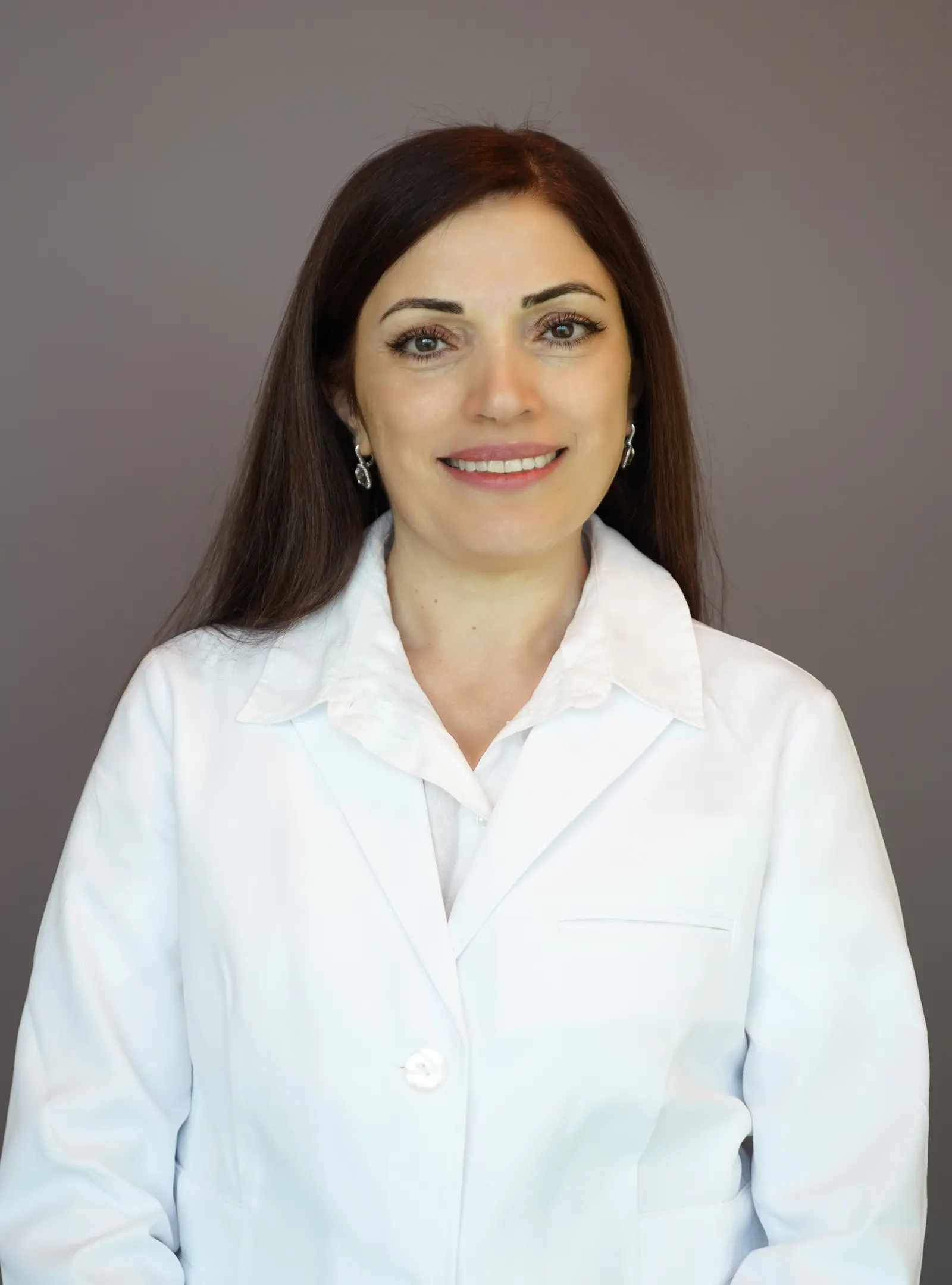
Brace Central Orthodontics treats children, teens, and adults across South Brooklyn, and every treatment plan is designed and overseen by an orthodontist. The practice was founded by Dr. Polina Ingberman, who graduated first in her class at NYU College of Dentistry on a full scholarship and completed her orthodontic training at Columbia. The team includes Dr. Amalya Igityan, a board-certified Diplomate of the American Board of Orthodontics. Records are taken with an iTero scanner, and the office works with families in English, Russian, and Ukrainian.
She is a professional in her field. The staff and the doctor are kindly, careful and patient.
Anastasia Savchenko
If you have been told you need jaw surgery, the clearest next step is an evaluation that looks at whether braces alone can improve your bite. Call (718) 998-1888 for a free consultation, or reach the Brace Central Orthodontics office with your questions.
Frequently asked questions
Can braces alone improve an underbite or overbite without surgery?
Sometimes, and it depends on the cause and how severe it is. A milder difference driven mostly by tooth position has a good chance of being improved with braces or aligners, while a large skeletal difference in an adult is more likely to involve surgery. A growing child usually has more non-surgical options than an adult with the same bite. The only way to know your case is a clinical evaluation.
Will avoiding surgery make my treatment take longer?
Treatment time varies by case and is discussed at your consultation, so there is no single answer. Camouflaging a complex bite can be involved work, and the orthodontist maps out the timeline for your specific situation rather than quoting a set number.
Is jaw surgery ever the better choice even when I could avoid it?
Yes. For a severe skeletal difference, surgery can produce a more stable and balanced bite than tooth movement alone, and a good orthodontist will say so when that is the case. The goal is the healthiest long-term result for your bite, which is exactly what the evaluation is meant to find.
Disclaimer: This information is provided for educational purposes and is not a substitute for professional medical advice, diagnosis, or treatment. Please schedule a consultation with our team to discuss your individual needs.