Phase Three Of Treatment

Retainers in Brooklyn

Brace Central fits, monitors, and replaces retainers for Brooklyn patients who've finished braces or Invisalign treatment, led by Dr. Polina Ingberman, DDS We offer both retainer types: removable clear retainers and permanent bonded retainers.

About Retainers

The Third Phase of Care

A retainer is the orthodontic appliance that holds your teeth in their final position after braces or Invisalign treatment ends. Without a retainer, teeth tend to drift back toward where they started. Retention is the third phase of orthodontic care, and it's just as important as the active treatment itself.

At Brace Central, we offer two retainer types:

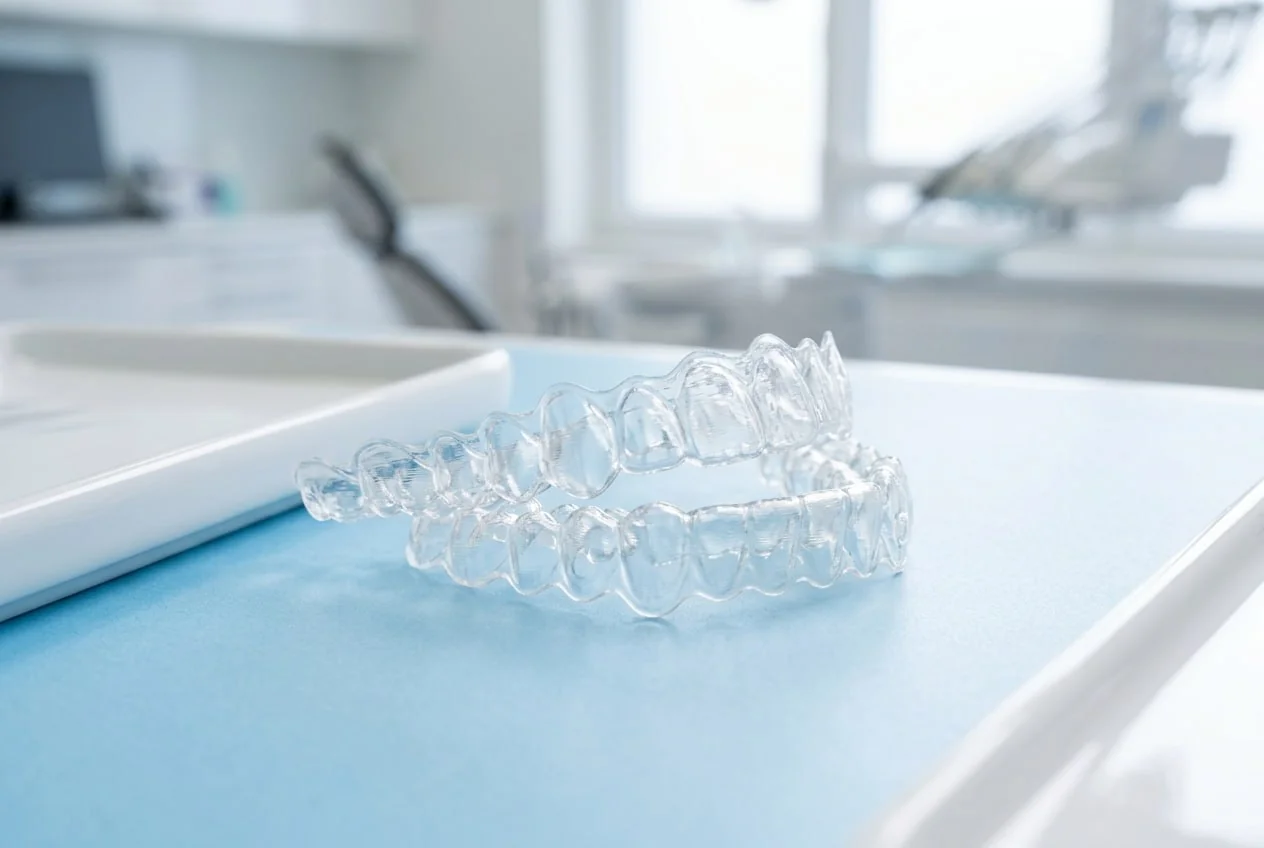
  • Removable clear retainers (Essix-style): a thin, transparent tray that fits over your teeth. You take them in and out for meals and cleaning.
  • Permanent bonded retainers: a thin wire bonded to the back of your front teeth. It stays in place full-time, invisible from the front of your smile.

Some patients wear both: a bonded retainer behind their lower teeth (where relapse is most common) plus a clear retainer at night for the upper arch. Dr. Ingberman recommends the right combination based on your case.

Why Wear One

Benefits of Wearing a Retainer

Consistent retainer wear protects the orthodontic result you spent months or years building.

  • 01Keep teeth in their final, post-treatment position
  • 02Allow bone and gums to remodel around the new alignment
  • 03Protect the lower front teeth, where relapse is most common
  • 04Prevent a second round of braces or Invisalign later in life
  • 05Adjustable to a sustainable long-term schedule (nights only)

Who They're For

Ideal Candidates for Retainers

  • Patients finishing braces or Invisalign at Brace Central.

    A retainer is the planned next step the same week active treatment ends.

  • Patients who stopped wearing retainers and noticed shifting.

    Depending on how much movement happened, a new retainer can hold the current position, or limited orthodontic treatment may be needed first.

  • Adults whose teeth have drifted with age.

    Retainers can stabilize current alignment after natural age-related movement.

  • Patients moving to Brooklyn from another orthodontist.

    We accept records from your previous provider and can fit a new retainer for you.

Patients with active gum disease or untreated cavities should resolve those issues first.

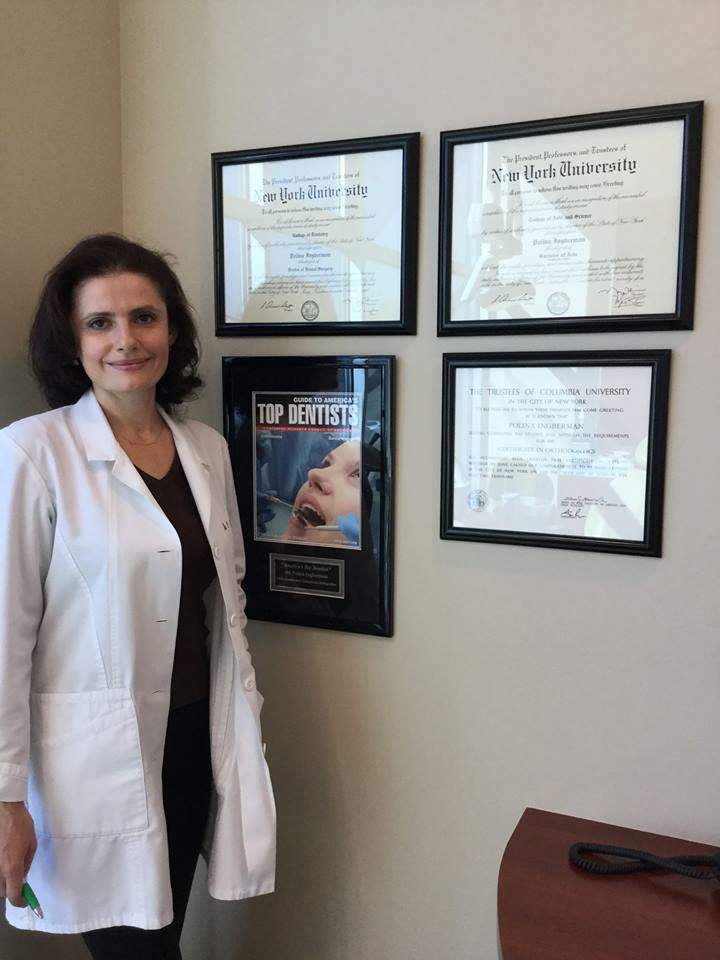
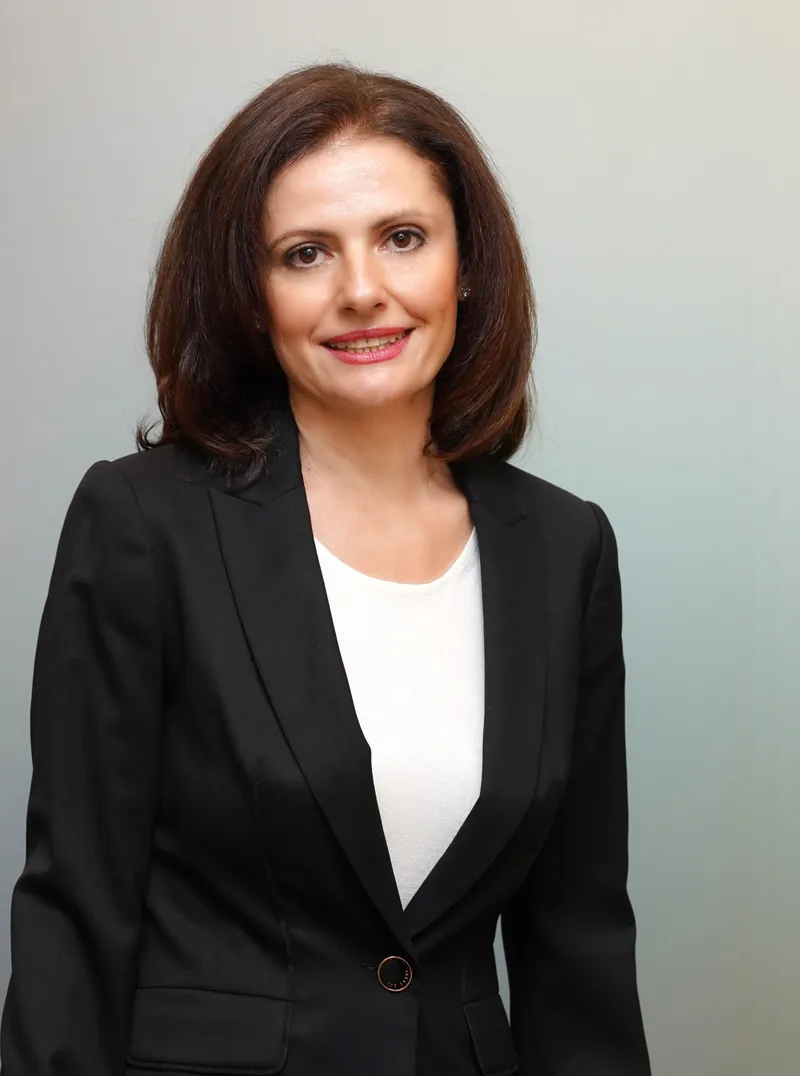
Dr. Polina Ingberman, DDS

Personal Consultation

With Dr. Ingberman

Dr. Polina Ingberman, DDS, is the founder of Brace Central and She has treated Brooklyn patients for a quarter of a century. A retainer consultation covers:

  • A bite assessment and review of any current retainer wear
  • A digital scan or impression for a new or replacement retainer
  • Recommendation on retainer type: clear, bonded, or both
  • Wear schedule and care instructions specific to your case
  • Insurance verification and clear pricing walked through with you
  • Time to ask every question, with no pressure to commit

Two Approaches

Types of Retainers at Brace Central

Clear removable retainer

Clear Removable Retainers (Essix-style)

Thin, transparent plastic trays custom-made for your teeth from a digital scan. They fit over the entire tooth surface and are nearly invisible.

  • Best for: Most patients finishing braces or Invisalign; patients who want a single removable retainer covering the whole arch.
  • Wear: Full-time for the first 3 to 6 months, then nights only after that.
  • Care: Brush with toothbrush and toothpaste daily. Keep in a protective case when out of your mouth.
  • Replacement: Every 1 to 3 years on average, sooner if cracked or warped.
Permanent bonded retainer

Permanent Bonded Retainers

A thin metal wire bonded to the back surface of your front teeth (typically the lower 6 front teeth, sometimes the upper). Invisible from the front, doesn't come out.

  • Best for: Patients with high relapse risk on lower front teeth; patients who don't want to manage a removable appliance.
  • Wear: Always. The wire stays bonded for years, often a decade or more.
  • Care: Floss daily with a threader or water flosser. The wire makes regular flossing tricky, so technique matters.
  • Replacement: Only if the bond fails or the wire breaks. We monitor at follow-up visits.

Many patients use both: a bonded wire on the lower arch plus a clear retainer worn nightly on the upper arch.

Day To Day

Care and Maintenance

  • Brush your retainer dailywith a soft-bristled toothbrush and regular toothpaste. Rinse thoroughly with cool water afterward.
  • Store removable retainers in their caseany time they're out of your mouth. Most lost retainers go missing in napkins, restaurant trays, and pockets.
  • Avoid heat.Don't put a clear retainer in hot water, the dishwasher, the car dashboard, or near a heater. Plastic warps and stops fitting.
  • For bonded retainers:floss daily using a threader or a water flosser. Plaque buildup around the wire is the most common cause of bond failure.
  • Same-day emergency care.If a clear retainer cracks, a bonded wire pokes, or your teeth start feeling tight against the retainer, call our office, we always provide emergency appointments for active retention patients.
  • Bring your retainer to every check-upso we can inspect the fit and the appliance condition.

See our full guide on retainer care.

Wear Schedule

How Long to Wear Your Retainer

The honest answer: retention is for life. Teeth move throughout adulthood, even decades after orthodontic treatment ends. A few hours of retainer wear per night keeps your alignment stable.

  1. 01

    Months 0 to 3

    Full-time wear (about 22 hours per day). Take out only to eat and clean.

  2. 02

    Months 3 to 6

    Daytime wear is no longer needed; switch to nighttime only.

  3. 03

    6 months and beyond

    Most patients can step down to wearing the retainer 2 to 3 nights per week long-term.

Bonded retainers stay full-time for as long as they're bonded, often a decade or more. They don't need a wear schedule because they don't come out.

Patients who stop wearing their retainer entirely will see some shifting within months. The amount varies, but the pattern is consistent: lower front teeth crowd, upper arch widens or narrows, and bite changes follow. The fix is wearing the retainer again, sometimes after a brief touch-up appointment.

Connected Services

Corresponding and Complementary Treatments

  • Braces

    retainers are the standard follow-up after braces come off.

  • Invisalign

    retainers lock in your Invisalign result the same week your last aligner is approved.

  • Orthodontic services

    for patients whose teeth shifted significantly after stopping retainer wear and need a brief touch-up.

  • Brushing and flossing routines

    flossing technique matters more with a bonded retainer than without one.

  • Insurance

    for retainer replacement coverage questions.

FAQ

Frequently Asked Questions

Why is wearing a retainer important after orthodontic treatment?+
It is essential to wear retainers to prevent relapse (teeth shifting following the orthodontic treatment) and to allow bone and gum remodeling (the process where the bone and gums adapt to the new positions of the teeth).
Do you have to wear a retainer forever after Invisalign?+
You should wear a retainer for three to four months initially, but it's recommended to maintain the alignment throughout your lifetime.
What types of retainers are offered at Brace Central?+
We offer removable clear retainers and permanent bonded retainers.
How long should I wear my retainer each day?+
Immediately after the orthodontic treatment clear removable retainers are worn full time, progressing to night time wear and eventually to wearing retainers 2 to 3 nights per week. Permanent bonded retainers are attached to the teeth and are worn full time.
How should I clean and care for my retainer?+
Retainers should be brushed with toothbrush and toothpaste. They should be kept in the protective case when outside the mouth to protect them from loss or damage.
Can you chew gum with retainers?+
It depends. You should avoid chewing gum with retainers attached to the back of the front teeth. It's possible with removable retainers, but be careful so that the gum does not stick to the appliance.

This information is provided for educational purposes and is not a substitute for professional medical advice, diagnosis, or treatment. Please call our office at (718) 998-1888 to discuss your individual needs.

Meet The Team

Our Team of Orthodontists at Brace Central

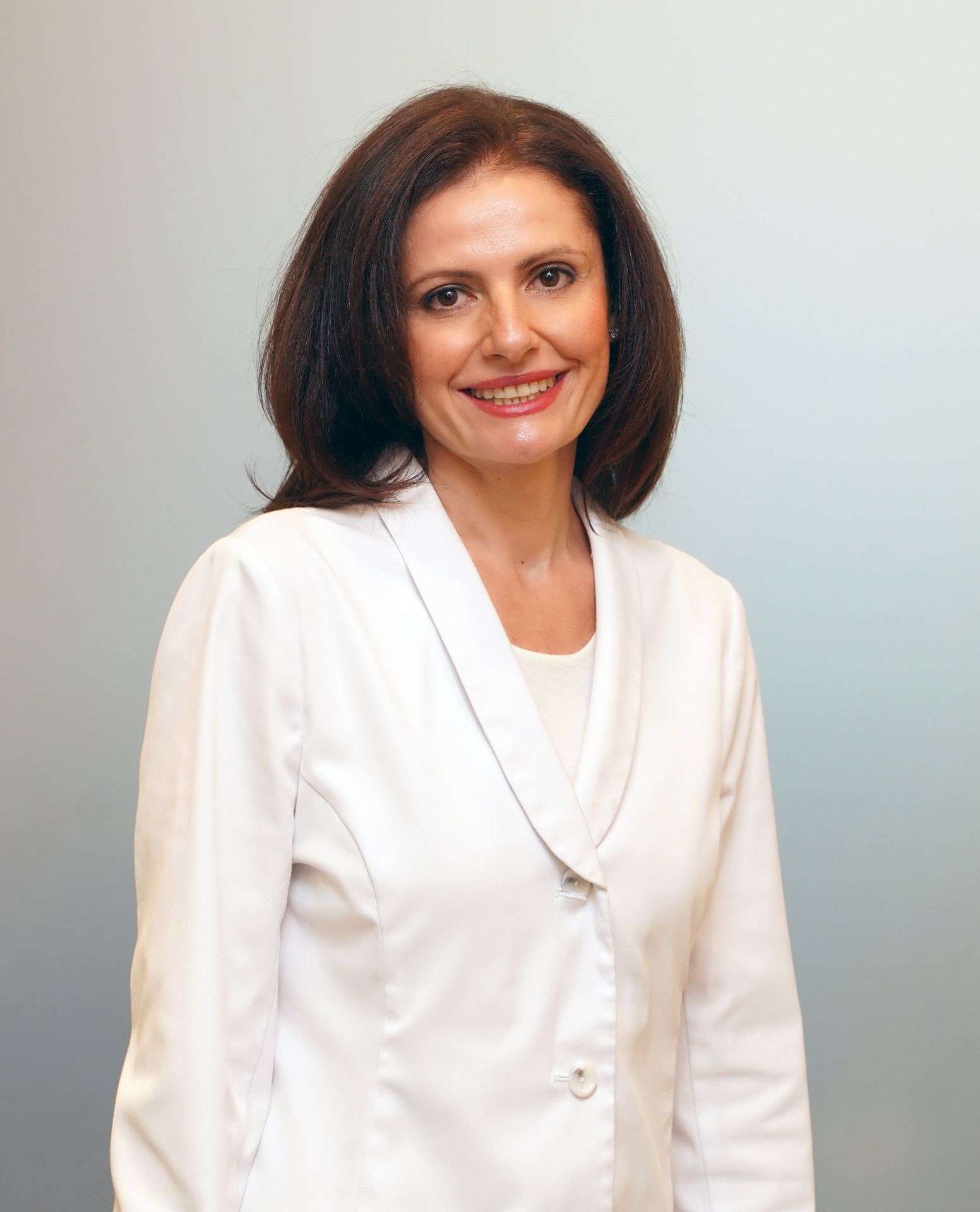
Dr. Polina Ingberman, DDS, founder of Brace Central Orthodontics

Founder · A quarter of a century of experience

Dr. Polina Ingberman, DDS

Founder of Brace Central Orthodontics and Brooklyn Orthodontics with a quarter of a century of experience. She is an NYU College of Dentistry graduate and a Columbia University trained orthodontist, treating children, teens, and adults with braces and Invisalign.

Read full bio
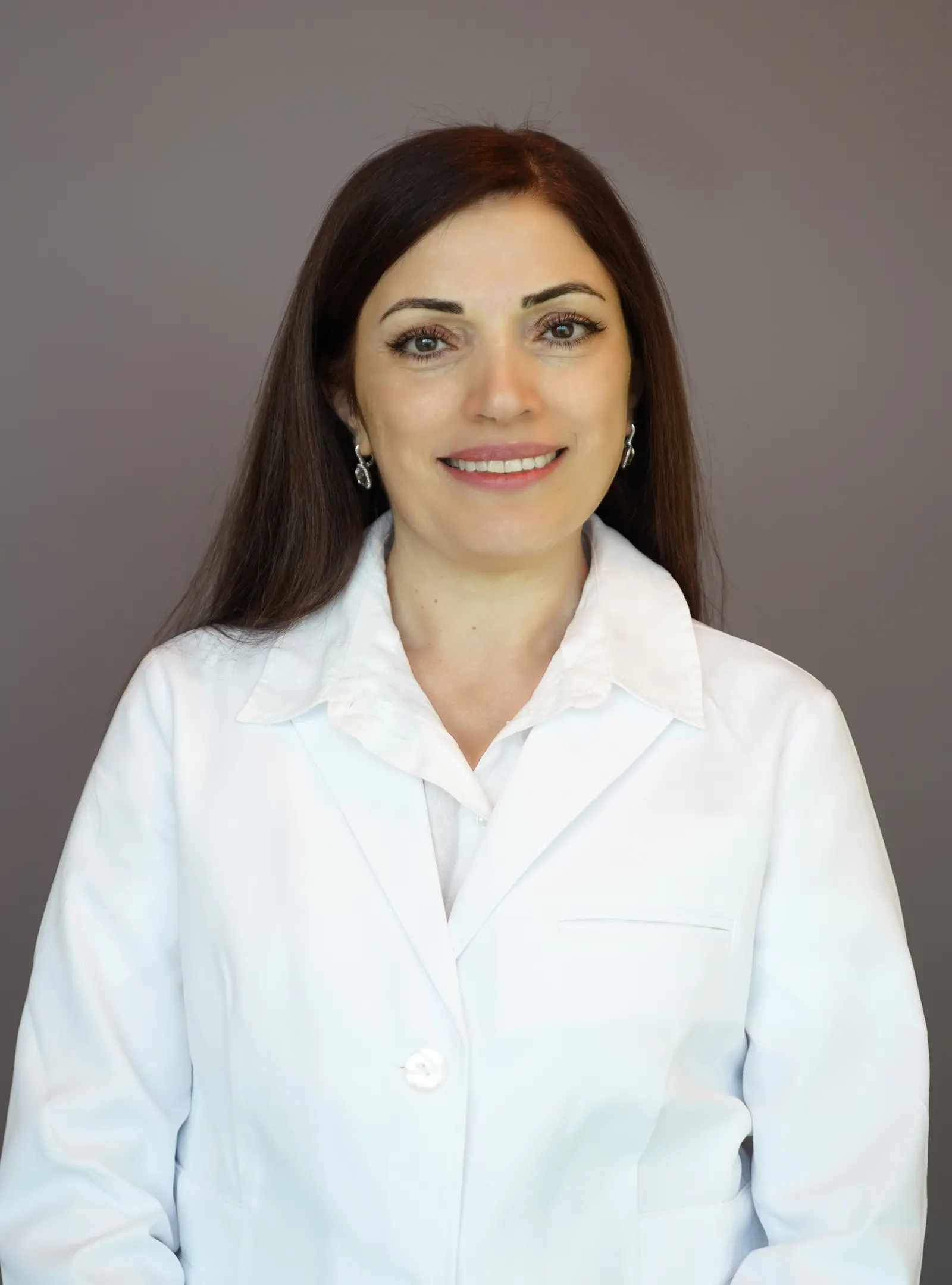
Dr. Amalya Igityan, DDS, Brace Central Orthodontics

Orthodontist

Dr. Amalya Igityan, DDS

Board-certified Brooklyn orthodontist trained at Columbia University College of Dental Medicine, with a three-year orthodontic residency at Maimonides Medical Center. Treats children, teens, and adults with braces, Invisalign®, and a full range of orthodontic appliances.

Read full bio
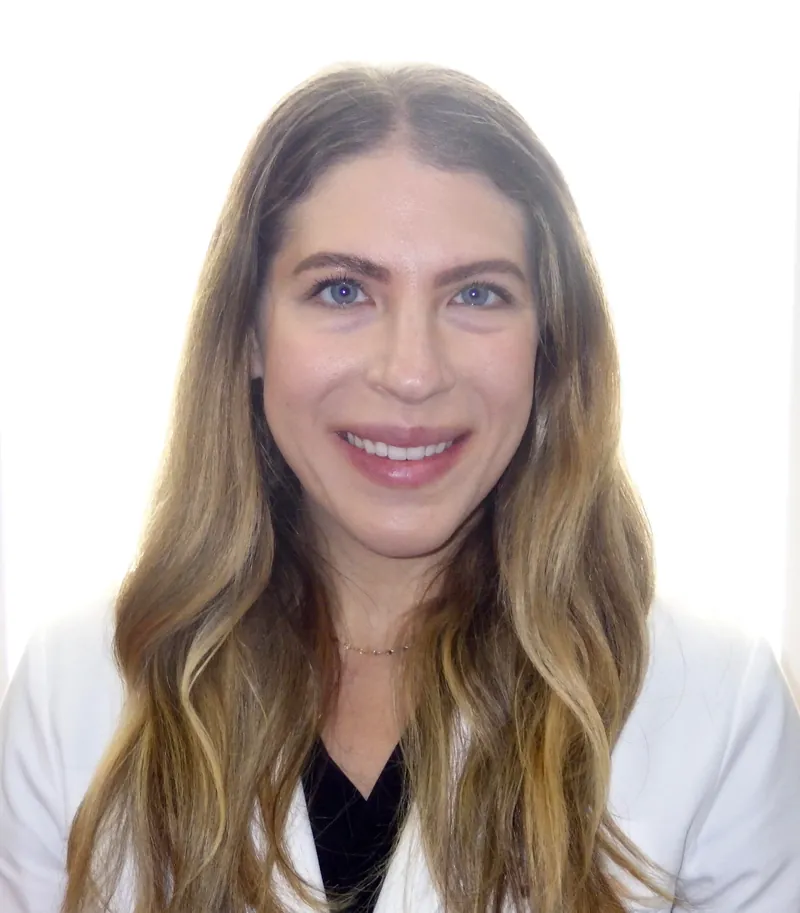
Dr. Raitzel Bernstein, DDS, orthodontist at Brace Central Orthodontics

Orthodontist

Dr. Raitzel Bernstein, DDS

Brooklyn-born orthodontist, NYU College of Dentistry graduate with a three-year residency in Orthodontics and Dentofacial Orthopedics at Maimonides Medical Center. Known for meticulous, compassionate, individualized care.

Read full bio
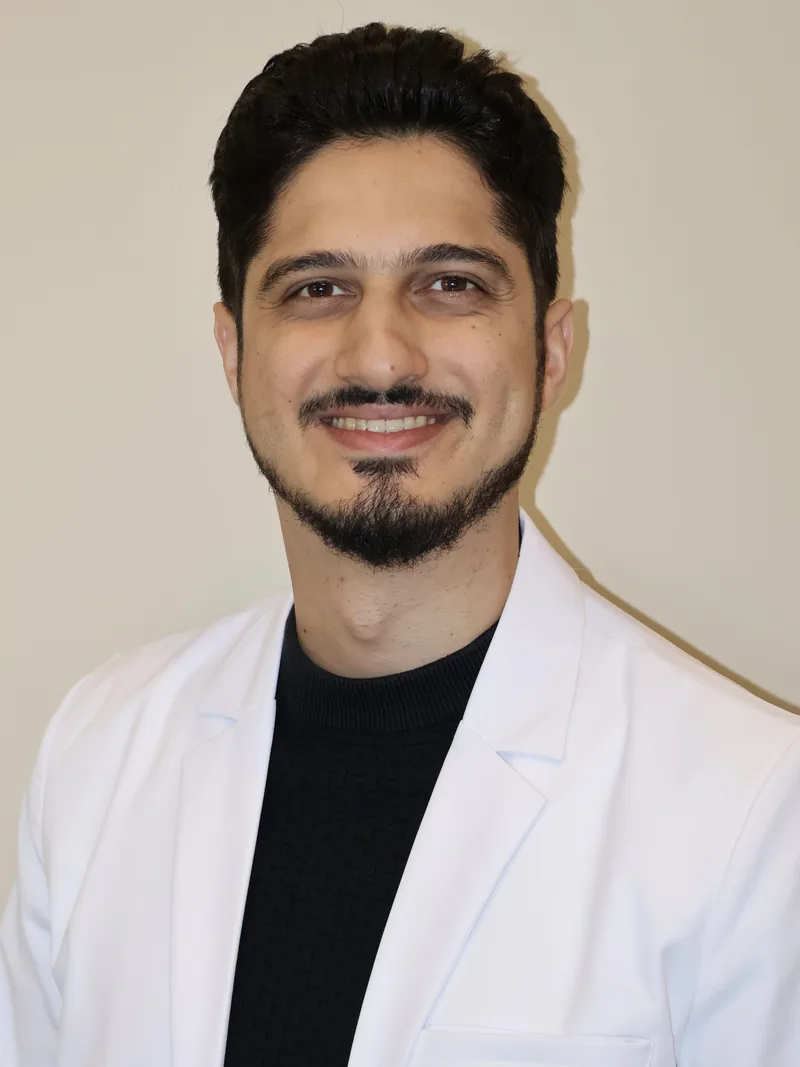
Dr. Ezro Yadgarov, DDS, orthodontist at Brace Central Orthodontics

Orthodontist · Diplomate, American Board of Orthodontics

Dr. Ezro Yadgarov, DDS

Board-certified orthodontist (Diplomate, ABO 2025), NYU College of Dentistry graduate with residency training at St. Barnabas Hospital, NY. Treats children, teens, and adults with braces, clear aligners, and orthopedic appliances. Speaks English and Russian.

Read full bio

Brooklyn Orthodontist

Schedule Your Free Consultation

Walk in for a complimentary visit, or give us a call and we'll find a time that works for you.

(718) 998-1888