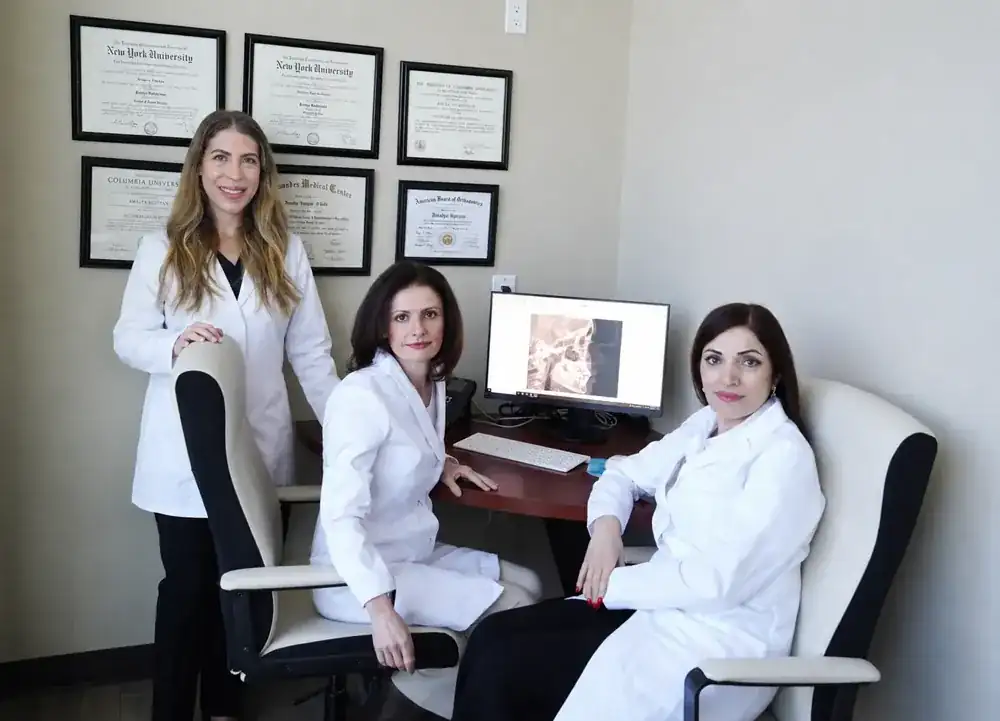
Do orthodontists do surgery?
No. Orthodontists align the teeth, and if surgery is needed it is usually performed by a surgical specialist such as an oral surgeon.
Brace Central Orthodontics
Get answers to general orthodontic questions from Dr. Polina Ingberman. Learn what orthodontists do, when to see one, and more.
What Orthodontists Do
No. Orthodontists align the teeth, and if surgery is needed it is usually performed by a surgical specialist such as an oral surgeon.
Orthodontists do not replace your regular dental cleanings. Patients should continue to see their dentist at least every six months for cleanings and evaluations throughout orthodontic treatment.
Orthodontists help patients clean plaque and explain good oral hygiene techniques so the braces stay clean and problems are prevented during treatment. At Brace Central Orthodontics, we help patients maintain good oral hygiene and keep their appliances clean.
No, wisdom teeth are usually removed either by a general dentist or by an oral surgeon.
When to See an Orthodontist
The most common reasons to see an orthodontist are misaligned teeth and poor occlusion (bite). An orthodontist can evaluate whether treatment is appropriate.
Visit frequency varies by case and is discussed at your consultation.
Call for a Free Consultation: 718-998-1888
Disclaimer: This information is provided for educational purposes and is not a substitute for professional medical advice, diagnosis, or treatment. Please call our office to discuss your individual needs.
Meet The Team
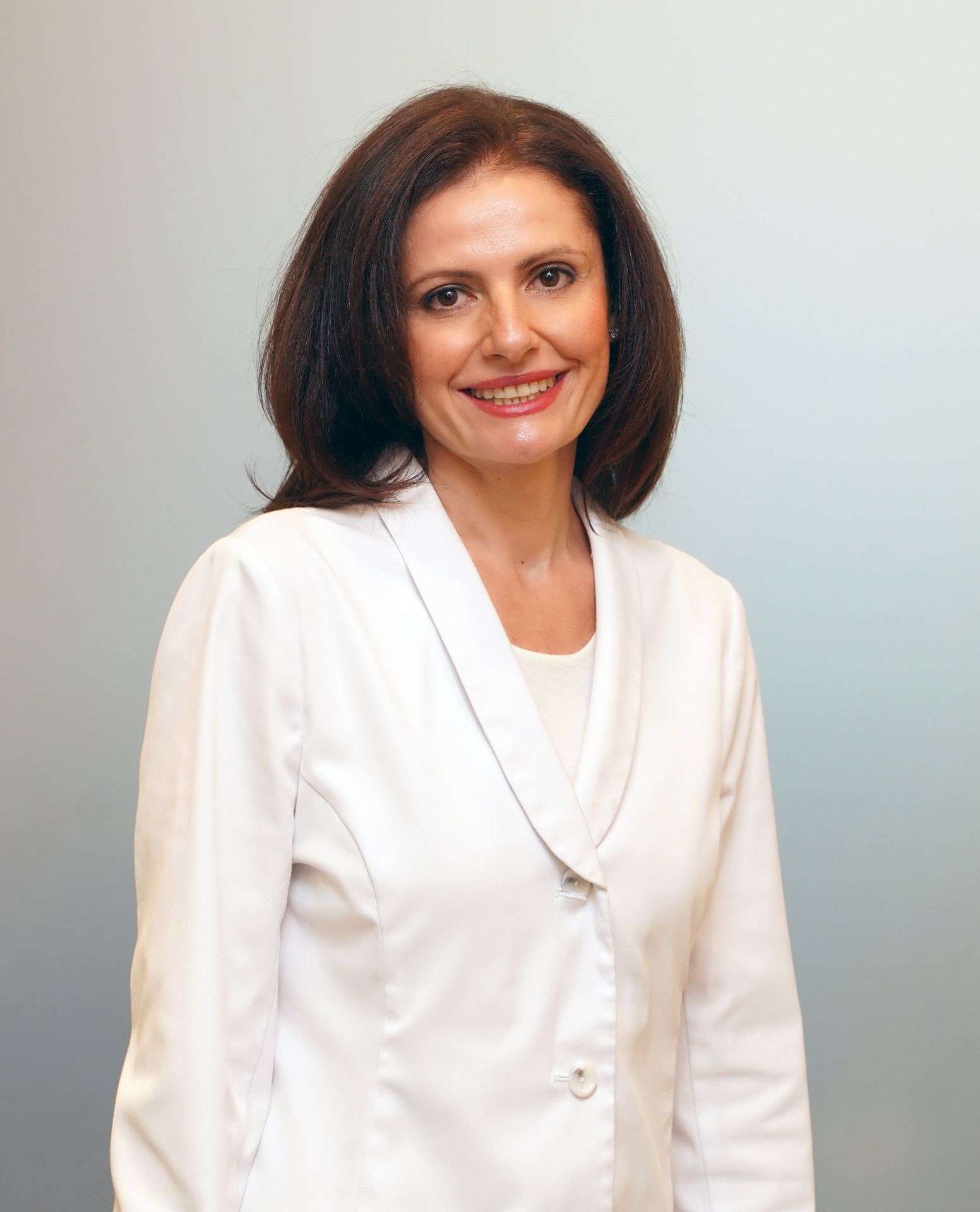
Founder · A quarter of a century of experience
Founder of Brace Central Orthodontics and Brooklyn Orthodontics with a quarter of a century of experience. She is an NYU College of Dentistry graduate and a Columbia University trained orthodontist, treating children, teens, and adults with braces and Invisalign.
Read full bio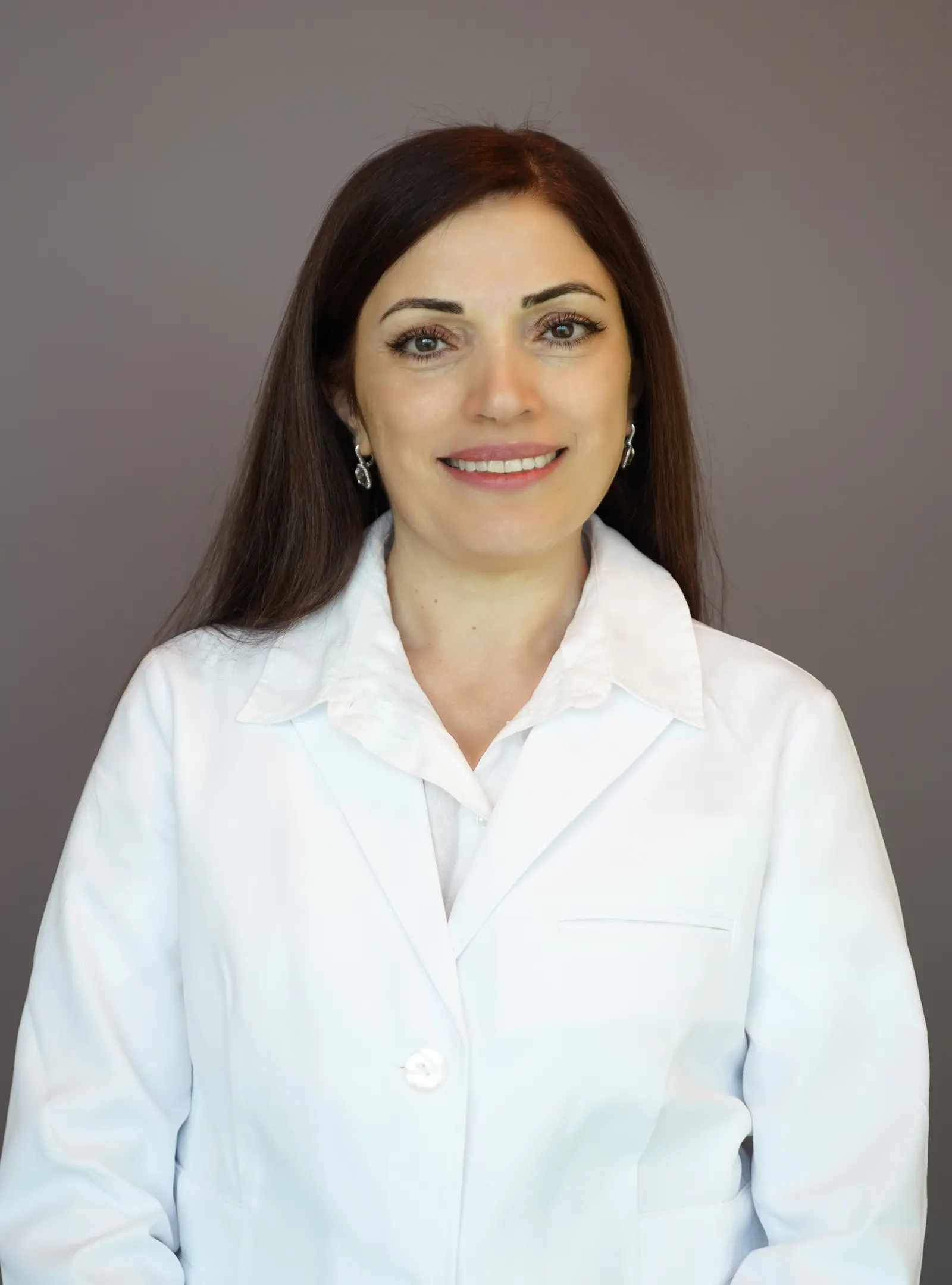
Orthodontist
Board-certified Brooklyn orthodontist trained at Columbia University College of Dental Medicine, with a three-year orthodontic residency at Maimonides Medical Center. Treats children, teens, and adults with braces, Invisalign®, and a full range of orthodontic appliances.
Read full bio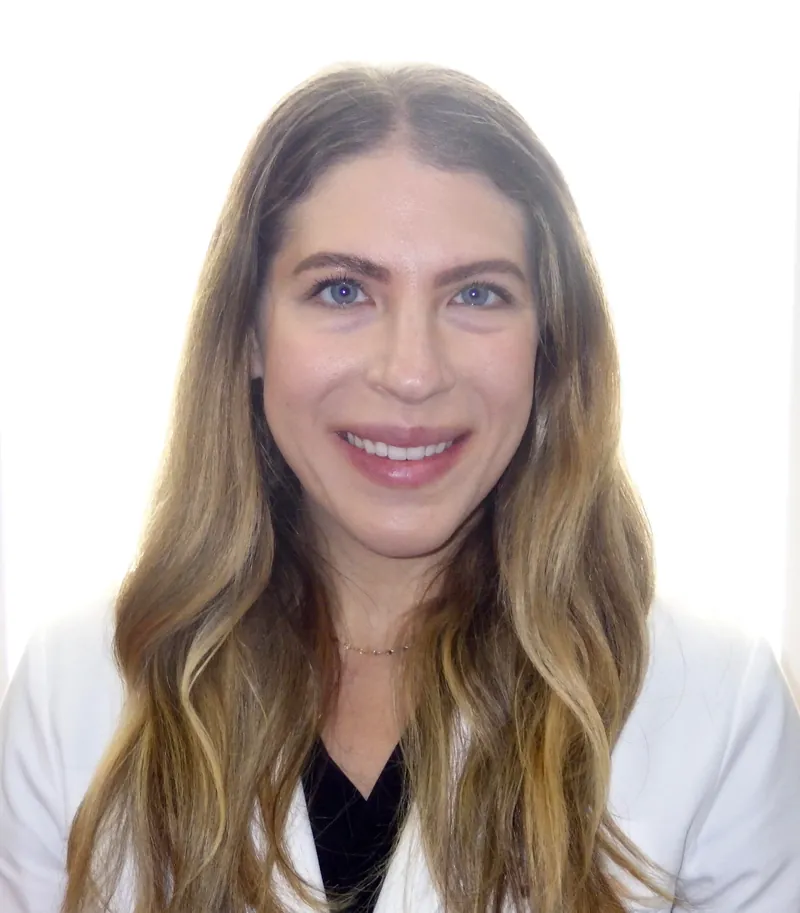
Orthodontist
Brooklyn-born orthodontist, NYU College of Dentistry graduate with a three-year residency in Orthodontics and Dentofacial Orthopedics at Maimonides Medical Center. Known for meticulous, compassionate, individualized care.
Read full bio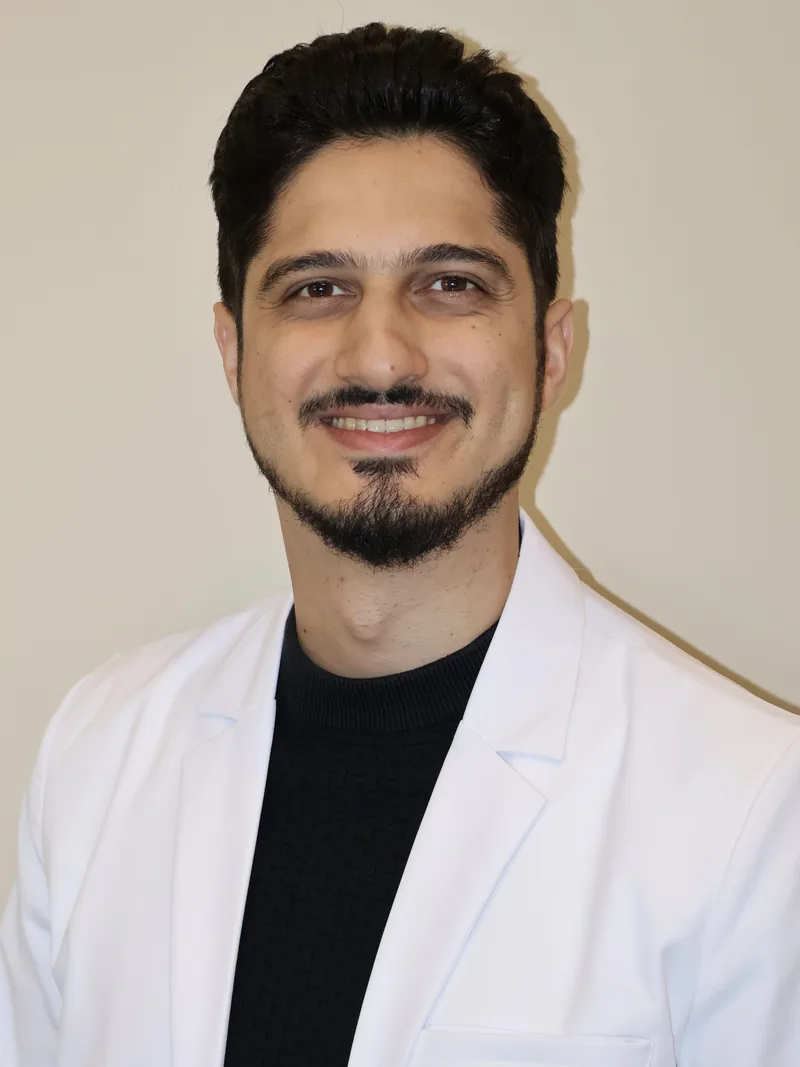
Orthodontist · Diplomate, American Board of Orthodontics
Board-certified orthodontist (Diplomate, ABO 2025), NYU College of Dentistry graduate with residency training at St. Barnabas Hospital, NY. Treats children, teens, and adults with braces, clear aligners, and orthopedic appliances. Speaks English and Russian.
Read full bioBrooklyn Orthodontist
Walk in for a complimentary visit, or give us a call and we'll find a time that works for you.
(718) 998-1888