Yes, a permanent retainer can be removed, and only an orthodontist or dentist should do it. The visit is quick, usually about 30 minutes, and it does not hurt. Your provider buffs off the bonding that holds the wire, lifts the wire away, and polishes the teeth. The one thing to plan for: your teeth will start to drift back unless you replace the retainer with something else that holds them.
This guide walks through exactly how removal works, why it is painless, what happens to your teeth afterward, and how to think about the cost.
Yes, a Permanent Retainer Can Be Removed, but Only an Orthodontist or Dentist Should Do It
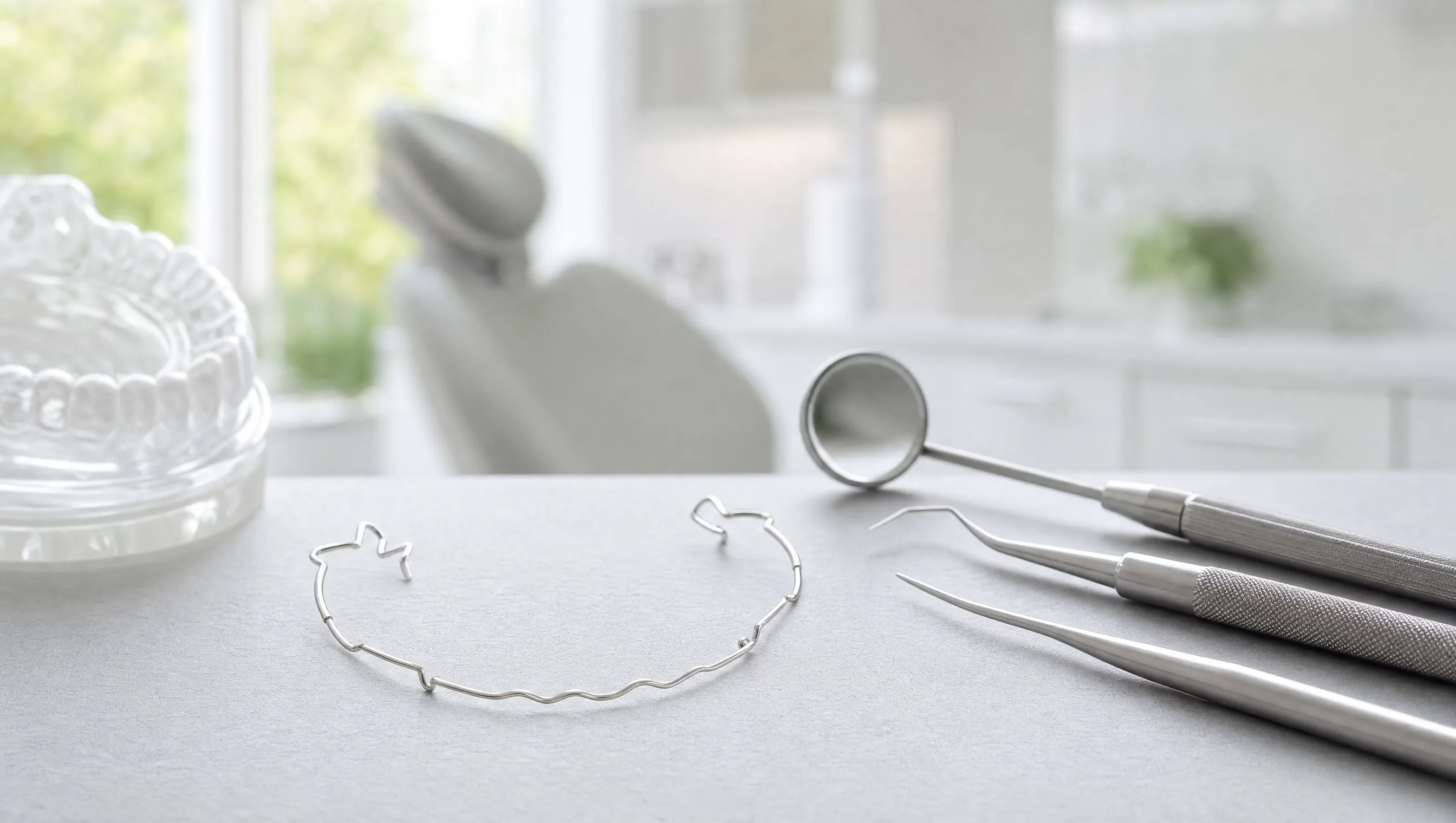
A permanent retainer is a thin metal wire bonded to the back of your front teeth, and it is designed to stay put. As Dr. Polina Ingberman, founder of Brace Central Orthodontics, puts it: "Permanent bonded retainers are attached to the teeth and are worn full time." That full-time hold is the whole point of the appliance, and it is also why removing one should be done by a trained provider: prying it off at home can crack a tooth or leave hardened bonding stuck to the enamel.
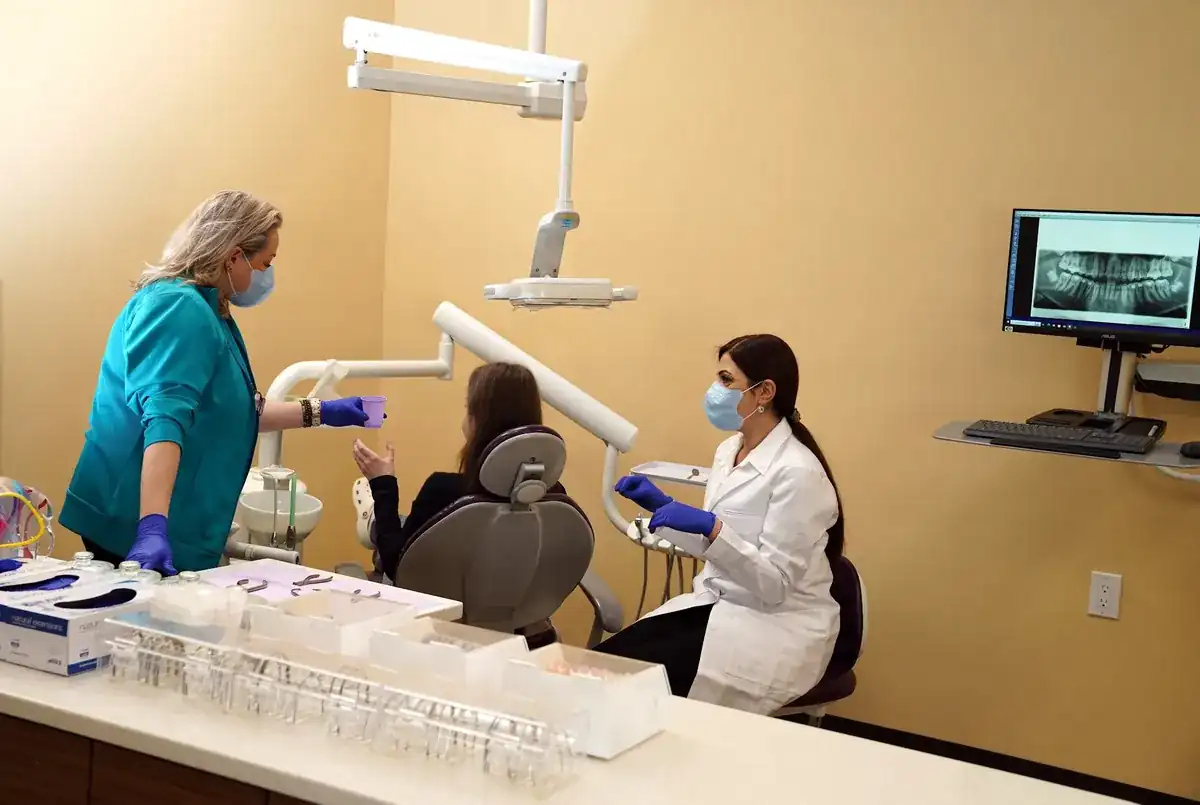
Removal is a routine procedure at an orthodontic office. Brace Central offers both removable clear retainers and permanent bonded retainers, so the same team that places bonded wires also takes them off and can fit a replacement in the same visit.
How an Orthodontist Removes a Permanent Retainer: Buff Off the Bonding, About 30 Minutes
The removal itself is short and predictable. Here is what happens in the chair:
- The bonding is loosened. Your provider uses a dental handpiece to buff away the composite resin that anchors the wire to each tooth. This is the same material used for tooth-colored fillings.
- The wire is lifted off. Once the bonding is released, the wire comes away from the teeth in one piece.
- The teeth are cleaned and polished. Any leftover bonding is removed and the enamel behind your teeth is smoothed and polished back to its normal surface.
- A replacement plan is set. In most cases the provider takes an impression or scan the same day so a removable retainer can hold your alignment going forward.
Start to finish, plan on roughly 30 minutes. No incisions, no stitches, and nothing that keeps you from going back to your day right after.
Does Removing a Permanent Retainer Hurt? No, and You Will Not Need Anesthesia
Removal is not painful and does not require numbing. The bonding sits on the enamel surface, not inside the tooth or in the gum, so buffing it off does not reach any nerve. Most people feel the vibration of the handpiece and some pressure, and that is the extent of it. You may notice your tongue rediscovering smooth teeth for a day or two, which is normal and not a sign of anything wrong.
Will My Teeth Shift After the Retainer Comes Off? Yes, Unless You Replace It
This is the part that catches people off guard. Teeth do not stay in place on their own after orthodontic treatment. As Dr. Ingberman explains, retainers exist "to prevent relapse (teeth shifting following the orthodontic treatment)." Take the wire off and leave nothing in its place, and the teeth you spent months or years straightening can start creeping back toward where they began.
Two points worth knowing:
- Shifting is gradual for most people, but it does happen. Natural forces from chewing, tongue pressure, and normal aging keep working on your teeth for life. The retainer is what pushes back.
- A partly loose bonded retainer is worse than none. When a bonded wire detaches from one or two teeth but stays attached to the rest, it can actively pull teeth out of line. That is one of the most common reasons a permanent retainer needs to come out and be replaced.
The fix is straightforward: replace the bonded retainer with a new one, or move to a removable clear retainer worn on a schedule. Dr. Ingberman's guidance for a failing retainer is direct: "You should see your orthodontist as soon as possible to replace your retainer." Maintaining your result is a lifetime commitment, and it only works if something is holding the teeth.
What Permanent Retainer Removal Costs, and Why the Replacement Is the Bigger Number
Removal on its own is a short, low-complexity visit, so the removal fee is usually the smaller part of the bill. The larger line item is almost always the replacement that keeps your teeth from shifting.
A few things shape the total:
- Removal fee. This depends on the office and the condition of the bond. For an exact figure at Brace Central, call the office, since removal is quoted per case.
- The replacement retainer. Cost depends on the type you choose. A new removable retainer is generally the more affordable option, while a new bonded retainer carries its own installation fee. See our full breakdown in how much a new retainer costs.
- Insurance. Coverage for retainer work varies widely by plan. Some orthodontic benefits help; many do not cover retention after active treatment ends.
Brace Central offers interest-free payment plans, so a replacement retainer does not have to be paid all at once.
When a Permanent Retainer Should Come Out: A Broken Wire, Decay Risk, Gum Trouble, or Your Own Choice
Not every permanent retainer needs to be removed, but there are clear situations where it should be:
- The wire is broken or detaching. A wire that has come loose on one or more teeth needs to come out and be replaced before it moves your teeth the wrong way.
- Plaque and tartar are building up. A bonded wire is harder to floss around. If hygiene problems are leading to decay or gum inflammation near the wire, your provider may recommend switching to a removable retainer.
- Gum recession behind the lower front teeth. In some cases the wire contributes to gum irritation or recession, and removal is part of the fix.
- You want a change. Some patients simply prefer a removable retainer. That is a valid reason, as long as you replace the retention rather than going without.
The right call depends on an in-person exam. Your orthodontist can tell whether the wire should come out, stay, or be repaired.
Why You Should Not Try to Remove a Permanent Retainer at Home
It is tempting to pry at a wire that feels loose, but home removal risks chipping enamel, damaging the gum, or leaving bonding material stuck to the teeth. You also lose the chance to replace the retainer in the same visit, which is when shifting starts. If a wire is poking, broken, or bothering you, treat it like Dr. Ingberman advises for any retainer problem and see your orthodontist promptly rather than working on it yourself.
Frequently Asked Questions
Can a dentist remove a permanent retainer, or does it have to be an orthodontist?
Either an orthodontist or a general dentist can remove a bonded retainer. What matters is that a trained dental professional does it, so the bonding is buffed off cleanly and the enamel is protected. At Brace Central, the orthodontic team removes and replaces bonded retainers.
How long does it take to remove a permanent retainer?
About 30 minutes for a straightforward case. If a replacement retainer is being made the same day, add time for a scan or impression.
Does removing a permanent retainer damage your teeth?
No, when it is done by a professional. The bonding sits on the enamel surface and is buffed off and polished away, leaving the tooth intact. Damage risk comes from trying to remove it yourself.
Will my teeth move after I get my permanent retainer removed?
Yes, if nothing replaces it. Teeth shift naturally over time, and retention is what holds your result. Plan on a new bonded retainer or a removable retainer to keep your teeth in place.
How much does it cost to remove a permanent retainer?
The removal fee is usually the smaller cost, and it is quoted per case. The larger cost is the replacement retainer that keeps your teeth from shifting. Call Brace Central at (718) 998-1888 for a figure for your situation.
Can I just leave the space empty after removal instead of getting a new retainer?
It is not recommended. Without retention, the teeth you straightened can drift back. If you dislike the bonded wire, a removable clear retainer is the usual alternative.
Talk to a Brooklyn Orthodontist Before You Remove Your Retainer
If your permanent retainer is broken, bothering you, or you are ready for a change, the smart first step is an exam so you leave with a plan and a replacement, not an open bite that starts shifting. Brace Central Orthodontics serves Sheepshead Bay, Brighton Beach, Midwood, and the rest of South Brooklyn, with care in English, Russian, and Ukrainian. Call (718) 998-1888 or book a consultation to have your retainer looked at.
Disclaimer: This information is provided for educational purposes and is not a substitute for professional medical advice, diagnosis, or treatment. Please schedule a consultation with our team to discuss your individual needs.